
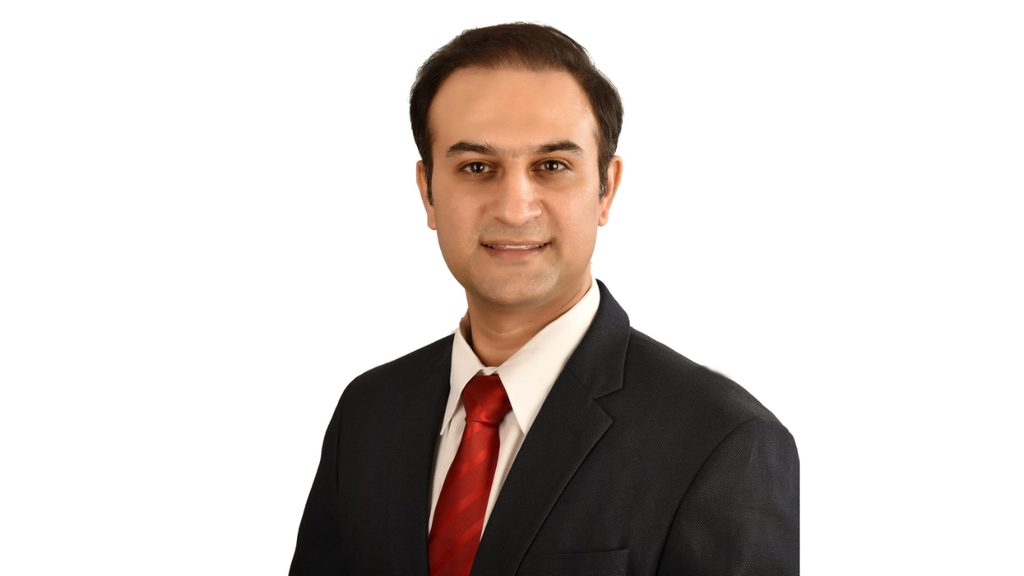
The rise of chronic disease burden in India has prompted a shift in attention to preventive healthcare [1]. According to Dr Rajeev Sharma, Vice President, Medical Affairs, Tata 1mg “Diagnostic testing is gradually being incorporated into routine health management. India’s healthcare story, however, halts here. The tests are done, the report arrives, and then life gets busy. An abnormal number may trigger a quick internet search. A normal one may be quietly filed away. Either way, the most important step– follow-up, that is, understanding what the result means and what to do next – can get missed”.
Role of Preventive Diagnostics
Chronic diseases like diabetes, hypertension, and cardiovascular disorders can develop without causing noticeable symptoms, especially in their early stages [2,3]. The disease may be revealed only when symptoms appear or during a routine checkup. Regular testing can help identify potential health risks and changes in health parameters [1]. It can support prompt preventive action before the illness worsens.
More people are therefore inclined toward preventive health checkups. This shift has been strengthened by the growing diagnostic market in India. Apollo Diagnostics, Metropolis, Tata 1mg Labs, and other major diagnostic players have built a vast network of diagnostic labs in numerous cities. They provide a wide selection of tests, panels, and packages at reasonable costs to meet different diagnostic requirements. Additionally, home sample collection adds convenience by allowing samples to be collected without visiting a lab.
The Need for Follow-Through
People tend to forget that testing is only the first step towards good health. The second step is to follow up with a doctor to understand test results. The gap between receiving a test result and acting on it is a recognized healthcare-system problem. Research has shown that test results can be lost in follow-up, creating opportunities for delayed diagnosis or treatment [4]. The disease may progress without getting noticed, which may affect the treatment outcomes.
One may assume that abnormal test results indicate a disease and normal results do not. Contrary to that belief, a normal result does not always rule out the disease, while an abnormal result does not necessarily establish the diagnosis. Interpreting results requires correlation with medications, medical history, risk factors, lifestyle, and dietary changes.
Time constraints can be another barrier. Busy schedules cause people to delay the doctor’s appointment and sometimes avoid it. The problem is further exacerbated by the increasing use of artificial intelligence (AI) for report interpretation. AI can help humans prepare queries and comprehend medical terms, but clinical context is still necessary for test result interpretation. Thus, it is not appropriate to base a clinical decision only on test results
Making the Next Step Easier
The next phase of preventive healthcare needs to make the journey after testing easier and more actionable.
One step in that direction is digital reports. Digital reports can be conveniently shared online with a known doctor without the need for a physical visit. Reminders for follow-ups, repeat testing, or consultations are another useful strategy. They can support individuals, particularly those with busy lives, in adhering to their healthcare regimen.
Major diagnostic chains have even gone beyond providing test services by offering physician consultations. A consultation can help determine whether additional testing, lifestyle modifications, regular monitoring, or a visit to the doctor are necessary.
Tata 1mg Labs has even created a platform that integrates diagnostic testing, medication access, and physician consultations. It reduces the friction involved in moving from one stage of care to another. Its key feature is Health Insights, which provides AI-powered clinical insights based on the lab report, such as an organ- or system-specific overview, guidance on dietary changes, and lifestyle suggestions.
From Detection to Action
India’s preventive health story has already taken a major turn by adopting routine testing instead of waiting for symptoms. The next chapter requires taking action on the report by following up. The diagnostic test itself cannot improve health; doctor consultation and timely treatment can. Addition of doctor consultations, follow-up reminders, and integrated platforms are a few approaches to help bridge the gap between testing and treatment. However, the real transition will occur when people understand that numbers on a test report are only a part of the picture. Follow-through is needed to move beyond detection and towards better health outcomes.
(Authored by Dr Rajeev Sharma, Vice President, Medical Affairs, Tata 1mg)
(The article has been published through a syndicated feed. Except for the headline, the content has been published verbatim. Liability lies with original publisher.)