
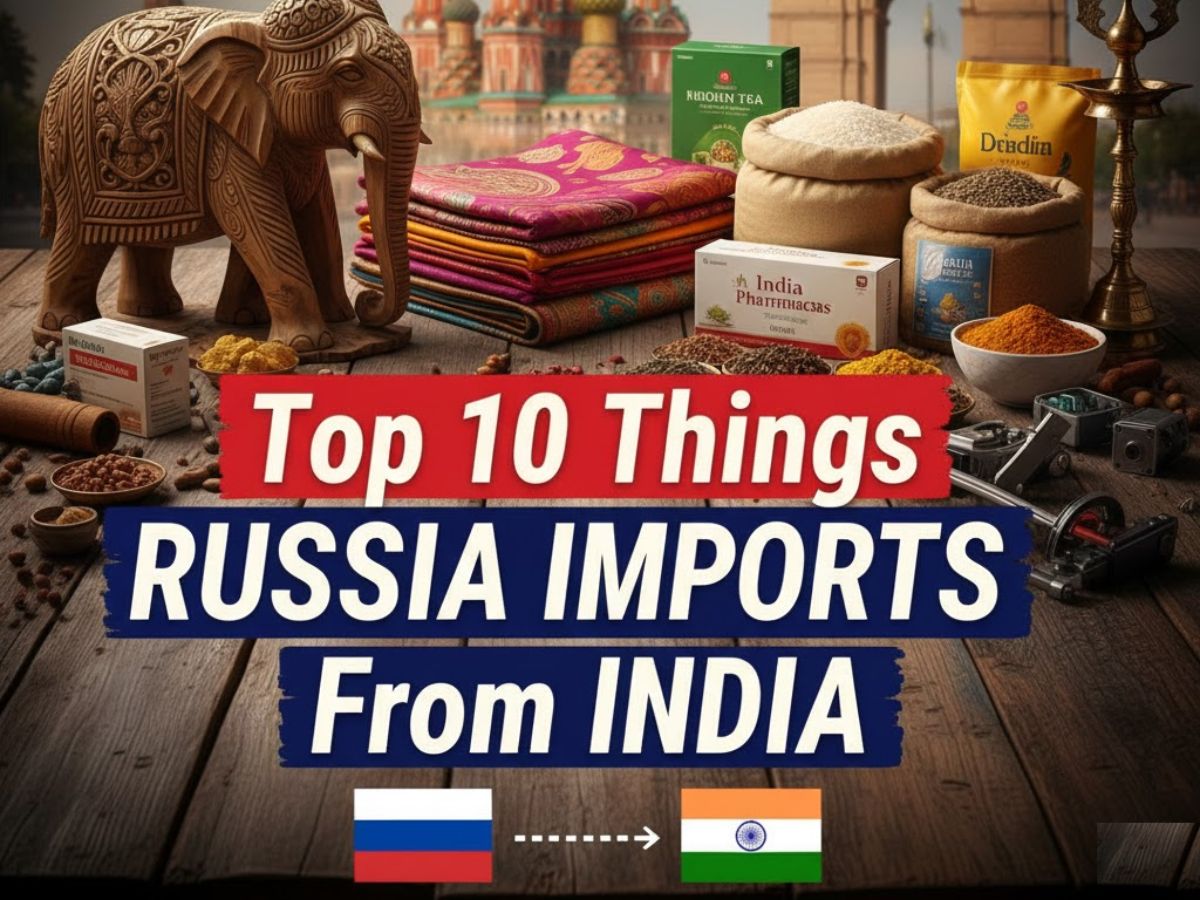
The trade relationship between Russia and India has changed significantly. Although India is known for purchasing Russian oil, the exchange of goods now moves in both directions. Since Western sanctions, Russia has increasingly relied on India as a key supplier for a wide range of essential items it can no longer easily obtain from Europe and the United States.
1. Industrial Machinery and Equipment
This category is now the single largest by value in Russia’s imports from India. It includes vital components to keep Russian industry running, such as engines, pumps, and machine tools. Specific items like pistons, turbochargers, oil filters, and bearings are in high demand for sectors like manufacturing, construction, and automotive repair.
2. Pharmaceutical Products and Medicines
India has emerged as Russia’s pharmacy. India now stands as Russia’s biggest provider of medicines, sending everything from everyday drugs like aspirin and paracetamol to important antibiotics and complex formulations. It also supplies the Active Pharmaceutical Ingredients (APIs) needed for Russia to manufacture these medicines within its own pharmaceutical facilities.
Also Read: What You Didn’t Know About Putin: 20 Facts That Define Vladimir Putin’s Life and Rule
3. Critical Chemical Products
India supplies Russia with large amounts of organic and inorganic chemicals. These function as crucial raw materials and catalysts in several Russian industries. Important examples include titanium dioxide, used in paints and coatings, and particular chemicals necessary for making plastics and agricultural fertilizers.
4. Electrical and Electronic Goods
With many Western tech firms having left the Russian market, India has become an important alternative source for electronic equipment. This includes a wide range of components, spare parts, and consumer electronics that Russia needs to support its digital infrastructure and consumer demand.
5. Food and Agricultural Products
To ensure food security and diversity, Russia imports a wide variety of agricultural goods from India. This includes staple cereals like Basmati and non-Basmati rice, as well as millet. Significant volumes of fish, shrimp, and other marine products are also shipped from Indian ports.
6. Beverages, Spices, and Produce
Classic imports like Indian tea and coffee continue to do well. Russia is also seeing increased demand for Indian spices such as turmeric and ginger. Fresh produce—grapes, mangoes, bananas, onions, and cabbage—forms a steady part of trade, boosting Russia’s domestic food supplies.
Also Read: World’s Longest Suspension Bridge Plan for Italy Derailed by Legal, Environmental Flaws
7. Meat and Dairy Products
A key and expanding import is buffalo meat from India. More recently, Russia has approved and started bringing in Indian butter, creating a new opening in dairy trade and giving Russian consumers a wider range of choices.
8. Textiles, Apparel, and Footwear
Russian stores stock a variety of Indian-made clothing, including both knit and woven garments. This category also encompasses fabrics, leather goods, and footwear, offering Russian consumers affordable and diverse choices in the fashion and apparel sector.
9. Iron and Steel Products
India sends various iron and steel goods vital to Russian industry and construction. These shipments contain nuts, bolts, screws, and multiple types of rolled steel, including flat-rolled stainless steel, all of which support manufacturing and large-scale infrastructure projects.
10. Vehicles and Automotive Parts
The automotive sector has emerged as a crucial and steadily growing import category. Russia relies on India for many components, parts, and accessories to keep and repair vehicles working amid supply chain disruptions from long-standing partners.
Also Read: Fed’s ‘Deferred Asset’ Shrinks, Hinting at End of Unprecedented Loss Era