
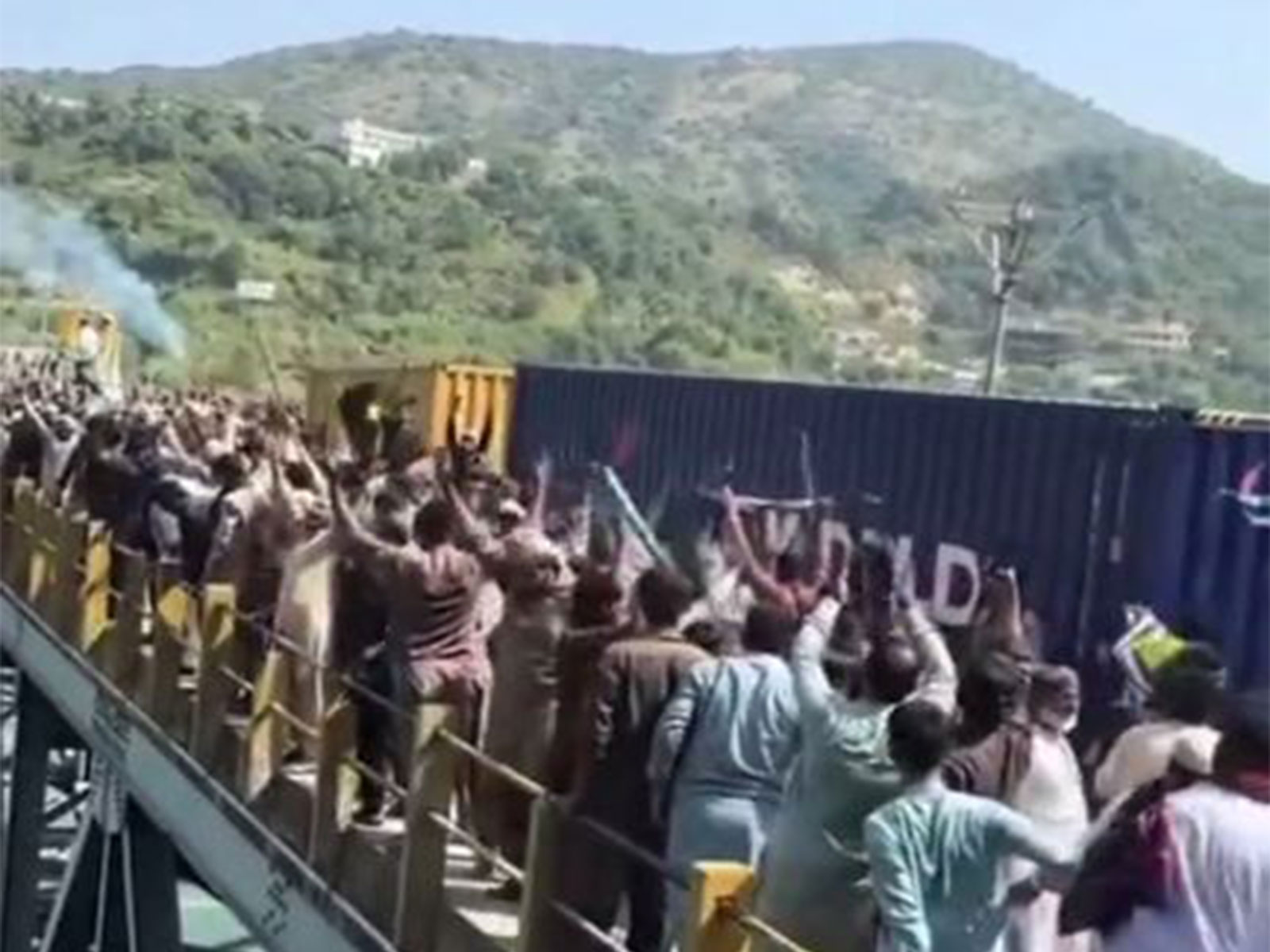
Huge protests in Pakistan-occupied Kashmir (POJK ) have been driven by high inflation, expensive electricity, and the severe political marginalisation of local populations by Islamabad . The protests escalated into deadly clashes following a severe military crackdown and internet blackouts across the region.
Demands of the JAAC : JAAC is an umbrella organisation spearheading the local civil movement through a comprehensive 38-point Charter of Demands. Their primary requests include
Economic Relief: Subsidised wheat flour and affordable tax-free electricity directly tied to the generation costs of the local Mangla hydropower project .
Political Reforms:
The abolition of 12 legislative assembly seats currently reserved for Kashmiri refugees who settled in mainland Pakistan post 1947. Locals argue these seats give Islamabad the power to bypass local democratic will and install puppet governments in POJK.
Resource and Governance Rights:
An end to elite perks and privileges, equitable sharing of natural resource revenues, and the curtailment of heavy-handed paramilitary deployments.
Impact of JAAC Being Banned :
Banning the JAAC as a proscribed terrorist organisation under the Anti-Terrorism Act, the government enacted a massive security sweep. Hundreds of JAAC members were arrested and put on the “4th Schedule” watch list. The ban triggered widespread strikes and closures , and resulted in deadly confrontations between local citizens and state forces . The protests are spreading like wild fire through out POJK with centre of gravity at Muzzafrabad and Rawalakot . The JAAC will announce its next course of action on 05 Jul after discussing with its members .
Impact of Open Claims of State-Sponsored Weapons to Citizens in POJK
JAAC leader Sardar Aman Khan publicly accused the Pakistan Army of previously arming Kashmiris . While local protesters face terrorism charges, this revelation exposed the state’s historical arming of proxies in the region .
The implication of these statements is profound: it undercuts Islamabad’s official narratives, corroborates international assertions regarding Pakistan’s sponsorship of cross-border terrorism, and has sparked local debate about whether POJK should seek total independence or closer engagement with India if structural abuses continue .
Likelihood of Civil War :
While Pakistan faces a severe combination of political polarisation, debt-driven economic crises, and escalating terrorism, a full-blown civil war remains unlikely possibility but systemic institutional collapse is highly possible .
Economic Breakdown:
Soaring inflation and massive debt continue to push the general population into poverty, sparking widespread despair.
Political Instability:
Deep fractions between political factions, the judiciary, and the military elite have severely weakened state governance. -Terrorism: Extremist violence and internal security threats have indeed multiplied.Despite these massive pressures, the entrenched monopoly on force held by the Pakistani military acts as a deterrent to a traditional civil war in near future.However, persistent localised uprisings, economic paralysis, and institutional deadlock have placed the country in a perpetual state of instability.