
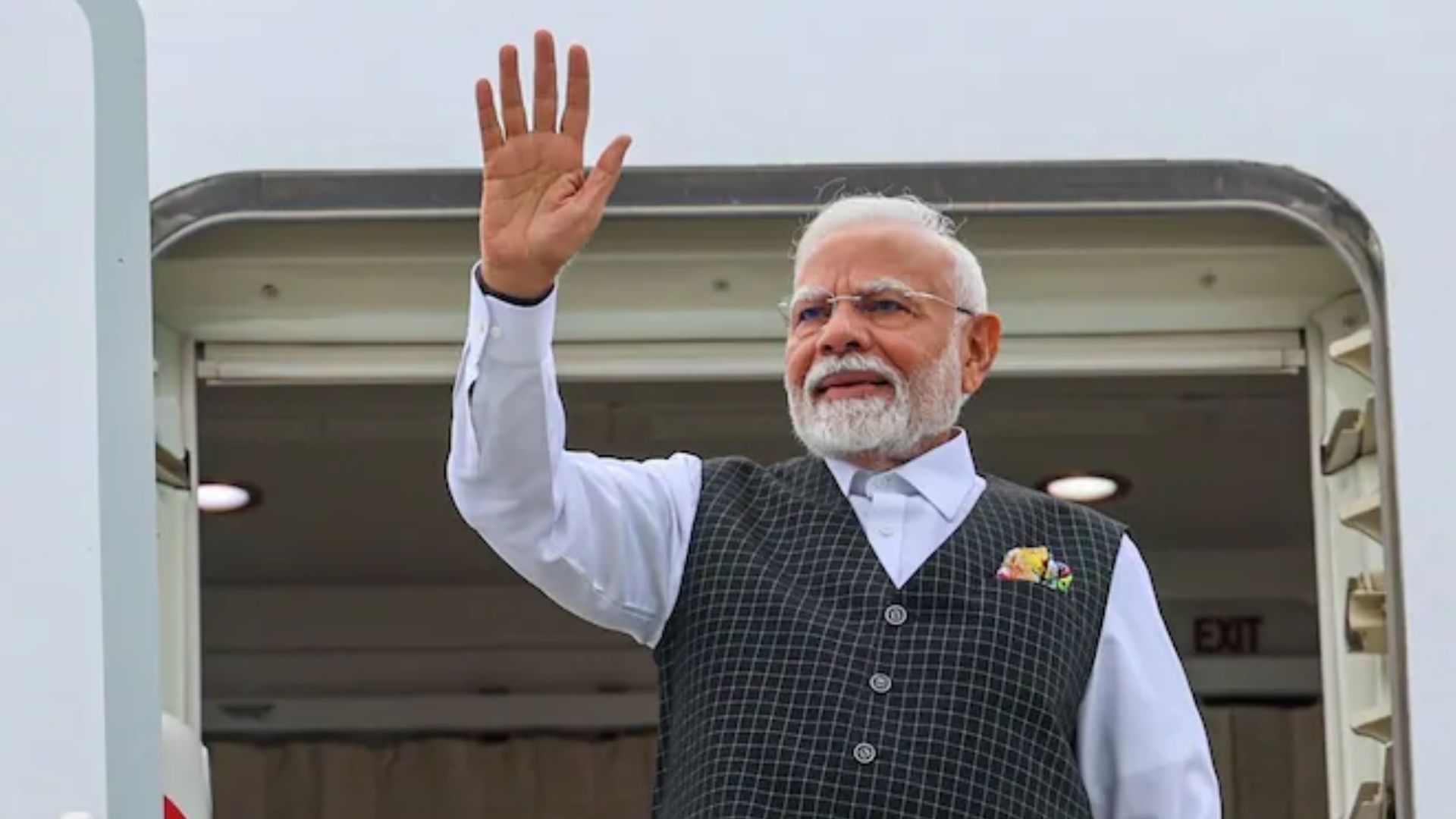
Prime Minister Narendra Modi will travel to the United Kingdom and the Maldives from July 23 to 26, with the goal of strengthening India’s foreign relations through major trade deals and diplomatic talks.
He will first visit the United Kingdom on July 23–24, where he is expected to sign the India-UK Free Trade Agreement (FTA). This major deal will affect 99% of Indian exports to the UK by reducing tariffs. In return, the agreement will make it easier for British products like whisky and cars to enter the Indian market.
This landmark agreement follows three years of intense negotiations aimed at improving access to both markets and creating better trade opportunities for both countries.
By removing trade barriers, the FTA is likely to expand bilateral trade and strengthen security ties. Leaders from both sides view this as a step toward building a stronger economic and strategic alliance.
Maldives Visit to Rebuild Ties Amid Strained Relations
After the UK, Prime Minister Modi will head to the Maldives on July 25–26, where he will attend the 60th National Day celebrations as the Chief Guest. This marks his first trip to the island nation under President Mohamed Muizzu’s leadership.
The visit comes at a sensitive time, following diplomatic tensions caused by the “India Out” campaign and the Maldivian government’s growing closeness to China. Despite these issues, the visit is being seen as an important step to mend relations and renew India’s ‘Neighbourhood First’ policy in the Indian Ocean.
During the visit, PM Modi is expected to hold talks focused on trust-building, mutual cooperation, and regional stability. His previous bilateral visit to the Maldives was in June 2019.
A Chance to Reaffirm Regional Partnerships
Notably, President Muizzu visited India in October 2024 shortly after being elected. His trip showed a willingness to improve ties with New Delhi. Prime Minister Modi’s upcoming visit aims to return that gesture by working toward stronger regional cooperation and shared interests.
Overall, this two-nation tour is expected to be a major move in shaping India’s trade goals and regional influence, especially at a time when global partnerships are crucial to national progress.