
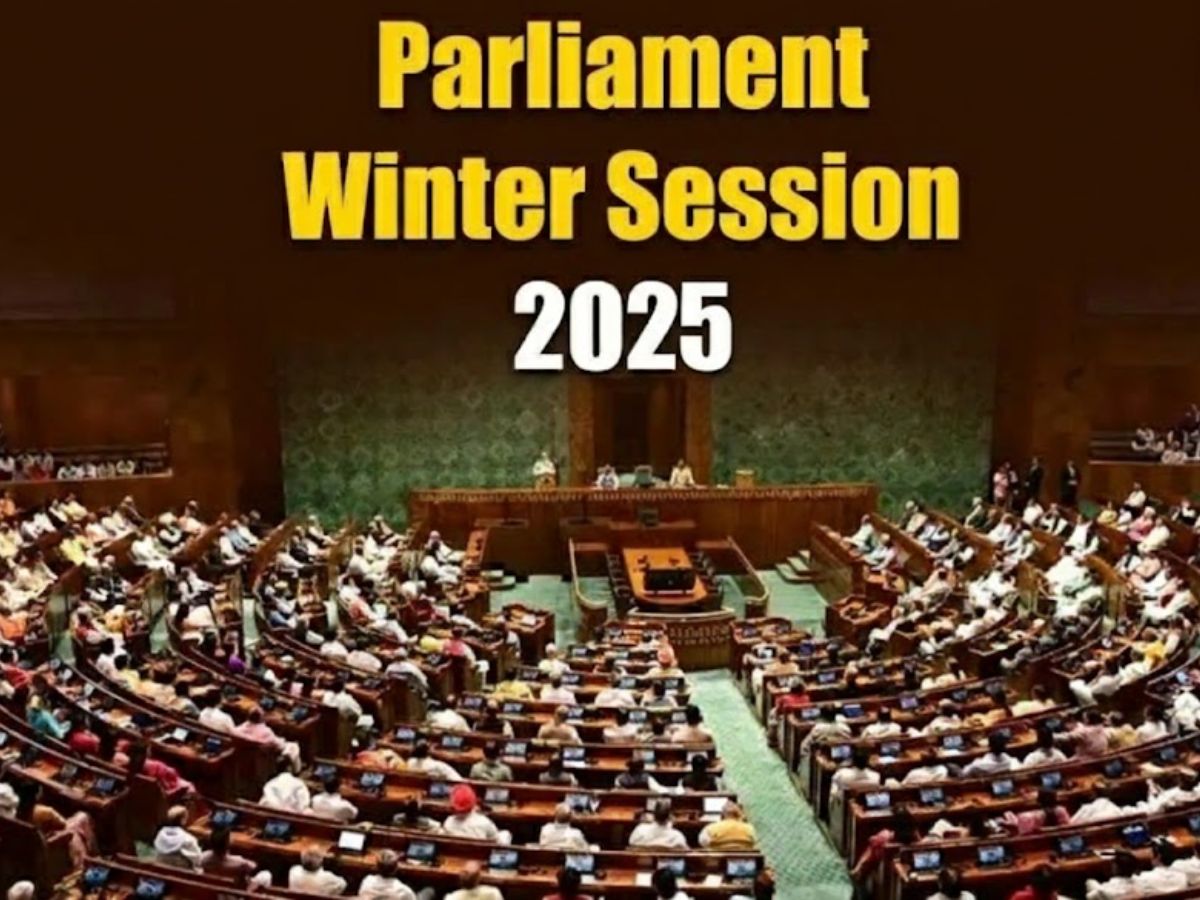
The Winter Session of Parliament will begin on Monday, December 1, amid rising political tensions, as a major dispute over changes to the voter list threatens to disrupt the proceedings. The session, set to run until December 19 with 15 sittings, is expected to become a clash between a united opposition and the government, which has a busy list of bills to pass.
What is the Special Intensive Revision (SIR) Controversy?
The most immediate flashpoint is the Special Intensive Revision (SIR) of voter rolls currently underway in 12 states. The Congress, Trinamool Congress, Samajwadi Party, and DMK have jointly protested, saying the process is “deeply flawed” and “politically motivated” to help the ruling BJP. Rahul Gandhi has also raised concerns about what he calls an “opaque deletion process.” The government counters this by saying the SIR is simply a regular, constitutionally mandated procedure run by the independent Election Commission. With the government not committing to a discussion, the issue is likely to trigger disruptions from the first day.
What Other Key Issues Will the Opposition Raise?
Beyond the SIR, the opposition is armed with two other critical issues. The recent blast near Delhi’s Red Fort has led the Congress to call for a full-day debate on national security, highlighting what it sees as intelligence failures. The worsening air quality crisis in northern India will also be a major issue, with MPs from affected areas likely to demand a clear, nationwide plan to tackle dangerous pollution, including concerns over stubble burning and industrial emissions.
Also Read: Elon Musk vs. Trump? Tech Titan Defends H-1B Visas, Highlights Indian Contribution to US Growth
What is the Government’s Legislative Agenda?
Amid the political sparring, the government is prioritizing a heavy slate of economic and financial bills. Key proposed legislations include:
- The Atomic Energy Bill 2025: It aims to let private companies invest in the nuclear power sector to expand clean energy. The Insurance Laws (Amendment) Bill 2025 looks to draw more global investors by possibly increasing the FDI limit in insurance.
- The Insolvency and Bankruptcy Code (IBC) Amendment Bill 2025: Intended to strengthen creditor rights and speed up the resolution of insolvency cases.
What is the ‘Vande Mataram‘ Debate About?
Adding an ideological angle to the session, the government has planned a special debate on the national song ‘Vande Mataram’ to mark its 150th year. The discussion, meant to present the full original text in Parliament, is likely to spark strong reactions. The ruling party has tied past changes to the song to Partition, while the opposition says this is just a distraction from urgent issues like pollution and national security.