
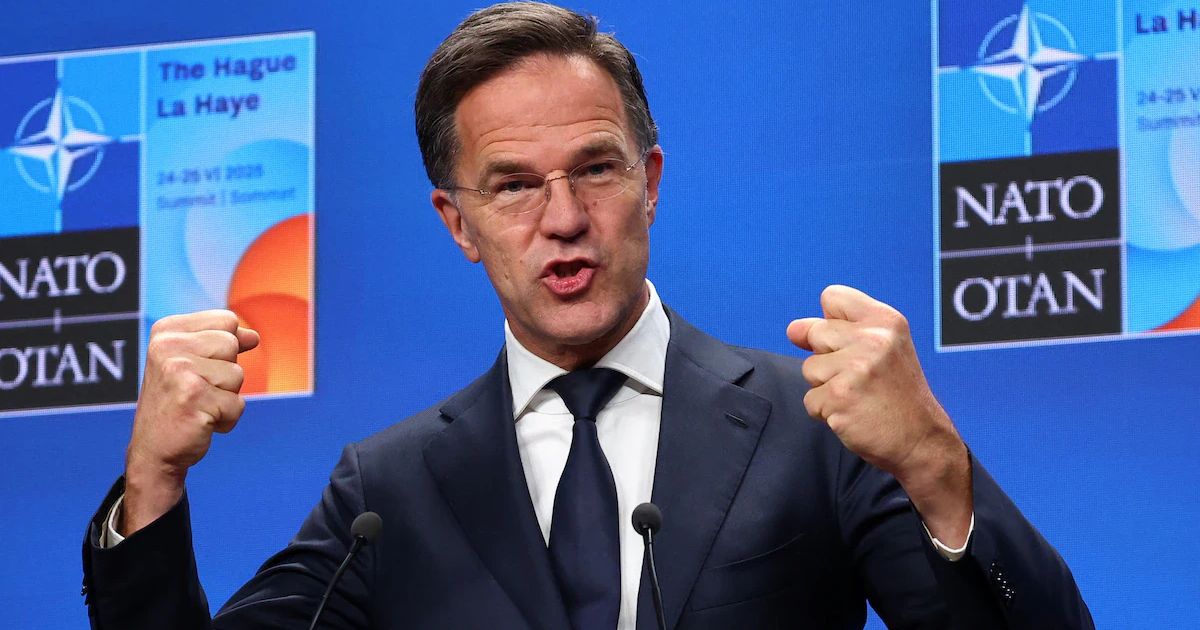
India has rebuffed NATO leader Mark Rutte’s threat of potential sanctions against it for its commerce with Russia. In a weekly media briefing, the Ministry of External Affairs stated India will endeavour to give priority to its energy requirements on the basis of international realities and market forces. MEA spokesperson Randhir Jaiswal asserted the nation would not tolerate “double standards” in this regard.
Mr Rutte had warned nations such as India, China, and Brazil that secondary sanctions would impact them “very hard” if they maintained trade with Russia. Yet, facts reveal that NATO member countries themselves, including EU states and Turkey, are still significant consumers of Russian energy. Meanwhile, Union Minister Hardeep Singh Puri also assured that India stands ready to fulfill its oil requirement from alternative sources if sanctions target Russian supplies.
NATO Chief Makes Blunt Warning
On Wednesday, NATO Secretary-General Mark Rutte threatened secondary sanctions against India, Brazil, and China for continued business with Russia. Meeting with US senators and journalists in Washington, Rutte told them that these nations need to “make a phone call to Vladimir Putin” and call on him to initiate serious peace negotiations. Failing that, he said, the backlash of Western pressure could “slam back” on them.
The remarks repeated US President Donald Trump’s recent position. Trump unveiled new arms for Ukraine and promised to impose 100% tariffs on any country continuing commerce with Russia unless a peace agreement is signed within 50 days.
India Pushes Back, Questions Fairness
In return, the Indian government rejected the warning. MEA spokesman Randhir Jaiswal clarified that India’s main concern is to get energy for its people. He further added that India makes its choices based on what is available in international markets and the overall global environment.
“We would particularly caution against any double standards on the matter,” Mr Jaiswal said. His comments point to what New Delhi sees as hypocrisy in Western criticism.
NATO Allies Still Buy Russian Energy
Despite the stern words, some NATO and EU countries still import Russian oil and gas. The European Union, as reported by the Centre for Research on Energy and Clean Air, has been the biggest importer of Russian liquified natural gas and pipeline gas since 2022.
Turkey, a member of NATO, is also the largest importer of Russian oil products. While the EU has suggested phasing out Russian energy imports by 2027 and 2028, existing data indicates ongoing reliance.
India Ready for Supply Interruptions
Union Petroleum Minister Hardeep Singh Puri also reacted to threats of secondary sanctions. Addressing Reuters, he asserted that India could easily handle any disruption. “I’m not worried at all. If something happens, we’ll deal with it,” he said.
India has already diversified its sources of crude oil. The country now imports oil from close to 40 nations compared to 27 countries in the past, says Mr Puri.
Energy Security Should Be Balanced
Energy security should not be left to geopolitical coercion only. The nation has every right to exercise its national interest like European and NATO nations.
If Western alliances continue to do business with Russia but advise others against it, they stand to lose the moral high ground. Balanced diplomacy, rather than selective pressure, should define international relations.