
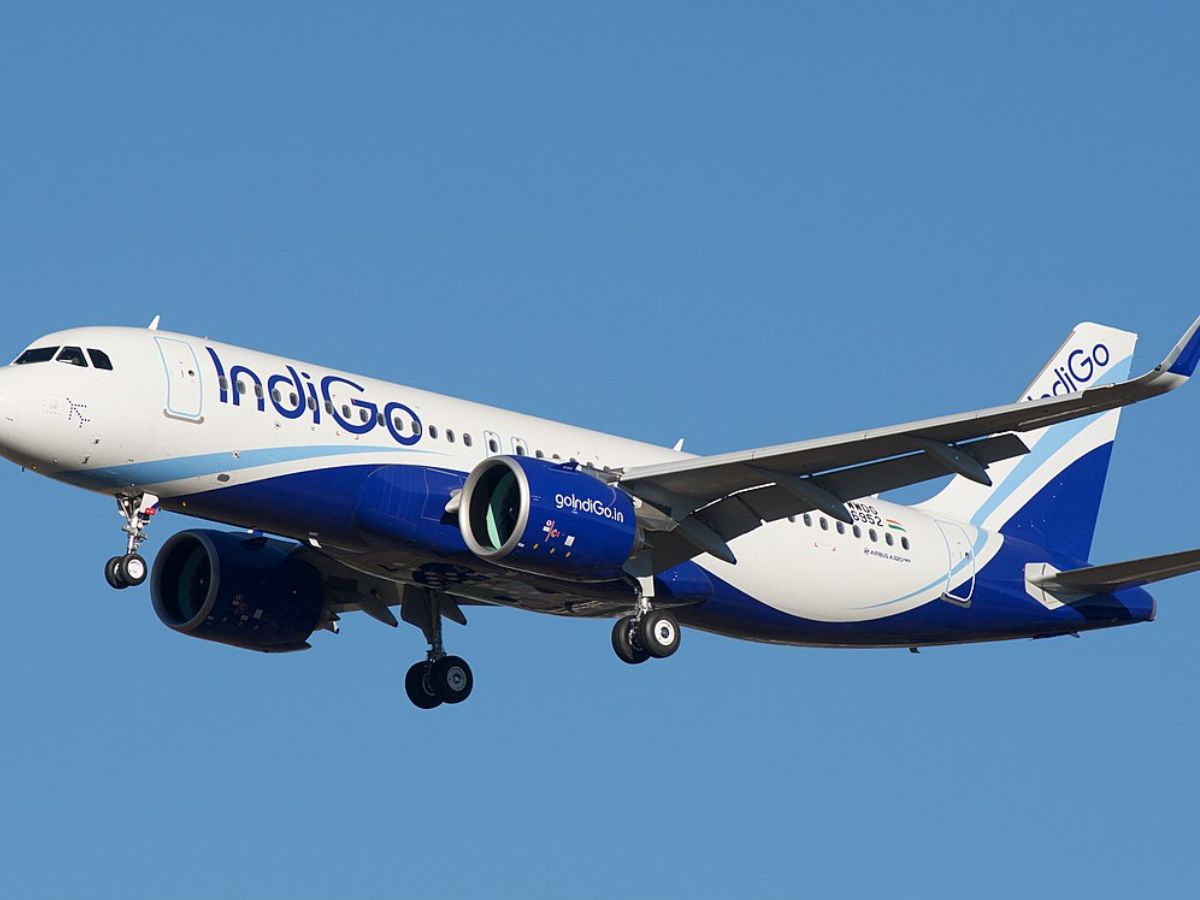
IndiGo cancelled at least 150 flights on Wednesday, causing widespread confusion and long delays at major airports nationwide. The airline struggled to cope with the newly enforced crew rostering rules, where even small operational setbacks quickly turned into a major breakdown, leaving thousands of passengers stranded.
The airline issued an apology and cautioned travellers to expect more cancellations until Friday. To restore normal operations, IndiGo said it has begun making “calibrated adjustments” over the next two days.
“We acknowledge that IndiGo’s operations have been significantly disrupted across the network for the past two days, and we sincerely apologise to our customers for the inconvenience caused,” the airline said. It blamed a combination of technology issues, bad weather, congestion, and the rollout of revised Flight Duty Time Limitations (FDTL).
Software Glitch and Strict Duty Norms Spark Operational Chaos
The immediate cause of the collapse was a rushed Airbus A320 software patch applied between November 29 and 30. This update disrupted the crew scheduling system at a time when IndiGo already had limited flexibility because of the tougher FDTL regulations.
Before this crisis, IndiGo was already showing signs of strain. DGCA data shows the airline cancelled 1,232 flights in November, with 755 linked to the new FDTL limits. Its on-time performance plunged to 67.70%, down from 84.1% in October.
To make matters worse, IndiGo’s baggage handling systems also malfunctioned at Delhi’s Terminal 1 and Terminal 3 on Wednesday. A government official said the issue at T3 was minor, but T1 faced a severe breakdown between 1:30 pm and 6 pm, causing delays in retrieving baggage information.
What is A320 software patch?
The A320 Software Patch refers to a mandatory update applied to the Airbus A320-family aircraft software to fix technical or safety issues. In this case, it was an emergency patch issued globally after a JetBlue A320 experienced a sudden altitude drop on October 30, 2025, which posed a safety risk to passengers.
For IndiGo, the patch needed to be installed on 200 of its 366 operational A320 aircraft. While the update was completed, it disrupted crew scheduling systems, especially under the new Flight Duty Time Limitations (FDTL), contributing to widespread flight delays and cancellations.
In simple terms: it’s a software fix designed to ensure aircraft safety, but it also affected airline operations when applied urgently.
Airports Witness Anger and Confusion
Chaos unfolded at airports across India as passengers found their flights cancelled last minute. Cancellations included:
-
67 flights in Delhi
-
42 in Bengaluru
-
40 in Hyderabad
-
33 in Mumbai
A Crisis Fueled by Crew Shortages and Safety Mandates
Sources familiar with the situation said IndiGo has been dealing with a severe pilot shortage since new FDTL norms were rolled out on July 1 and November 1. These rules were introduced to reduce fatigue and require:
-
48-hour weekly rest
-
Longer defined night-time hours
-
Reduction of night landings from six to two
The emergency software patch made the situation worse. The directive came after a JetBlue A320 experienced a dangerous altitude drop on October 30. Globally, 6,000 A320-family aircraft needed the update; in India, around 200 of IndiGo’s 366 A320 aircraft were affected.
Although IndiGo finished the patch on time, it caused delays that pushed several crew members beyond their allowed duty hours. Weather issues near Chennai, linked to Cyclone Fengal, also prevented recovery.
The DGCA has launched a probe and called IndiGo officials for a detailed explanation of the crisis.
IndiGo’s Single-Fleet Strategy Backfires
The meltdown exposed a weakness in IndiGo’s long-trusted business model.
The airline relies almost entirely on the Airbus A320 family, which helps cut costs and simplifies training, maintenance and bulk purchases. This strategy helped IndiGo command over 60% of the domestic market.
However, when Airbus issued the emergency directive, IndiGo had no backup aircraft type to deploy. Other airlines like Air India, which operate multiple aircraft models, were less affected.
IndiGo’s on-time performance crashed to 35% on Tuesday, far below its usual 80% benchmark.
The airline, operating more than 2,200 flights daily, said it was working “around the clock” to stabilise operations and has offered refunds or alternate travel options to affected passengers.
As of December 2, IndiGo had 416 aircraft, with 366 active and 50 grounded—up from 47 a month earlier.
Pilots’ Body Blames Poor Planning
The Airline Pilots Association of India criticised major airlines for “a failure of proactive resource planning.” It said airlines did not adjust crew rosters 15 days in advance as required, causing a predictable meltdown.
The association claimed the disruption pointed to “an initial managerial underestimation or delay in the strategic planning necessary” to comply with new FDTL norms.