
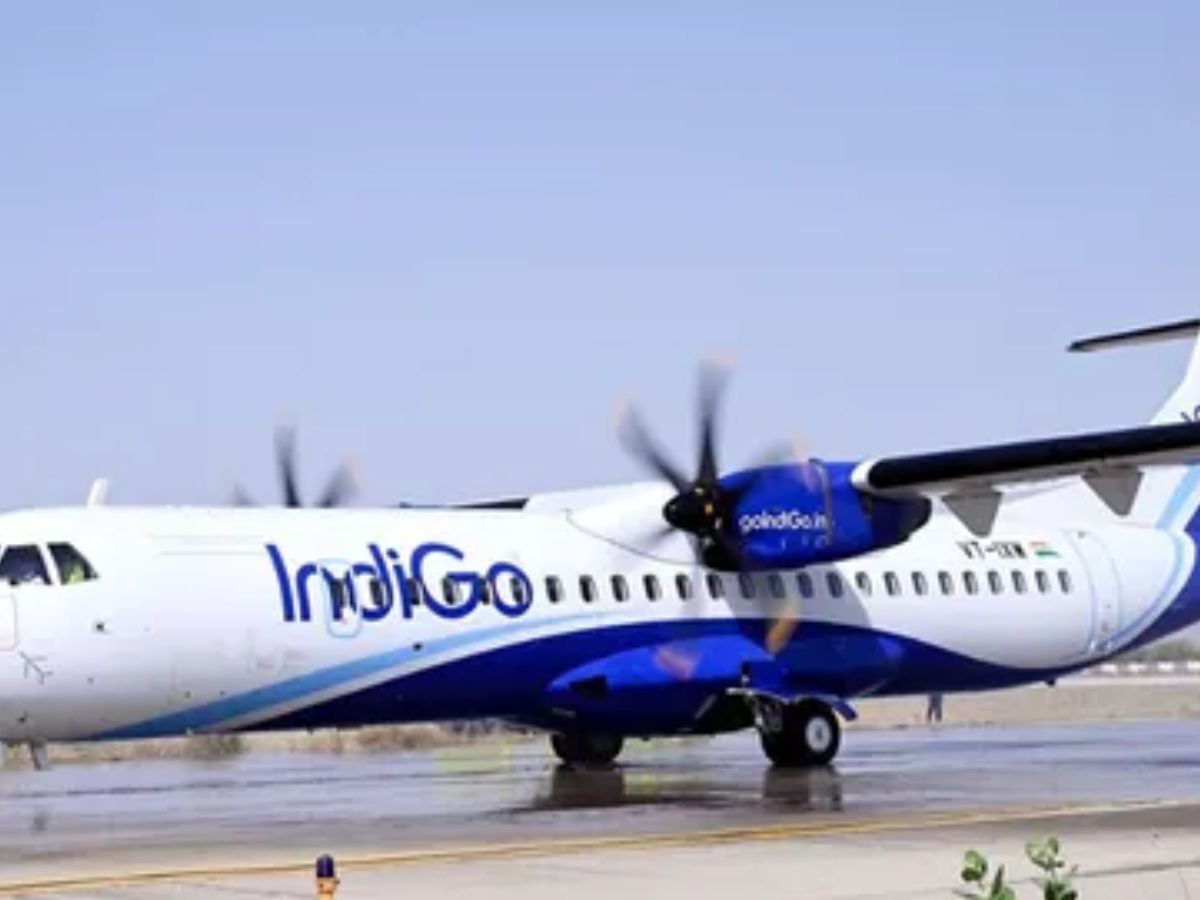
India’s largest airline, IndiGo, continued to struggle for the second consecutive day as more than 300 flights were cancelled on Thursday, creating chaos at major airports across the country. The disruptions come just a day after the airline scrapped at least 150 flights and announced that it was making “calibrated adjustments” to its schedule for 48 hours to manage the crisis.
IndiGo Airlies Mass Cancellations Across Key Metros
According to officials familiar with the situation, large metros saw the highest number of cancellations on Thursday:
-
Delhi: 33 flights
-
Hyderabad: 68 flights
-
Mumbai: 85 flights
-
Bengaluru: 73 flights
Wednesday also saw major disruptions with 67 cancellations in Delhi, 42 in Bengaluru, 40 in Hyderabad, and 33 in Mumbai.
The airline’s on-time performance (OTP) has plunged sharply. As per civil aviation ministry data, IndiGo’s OTP slipped from 35% on Tuesday to an alarming 19.7% on Wednesday.
IndiGo Issues Statement, But No Thursday Update
On Wednesday, IndiGo assured passengers that adjustments were underway to stabilise operations. The airline stated, “Our teams are working around the clock to ease customer discomfort and ensure operations stabilize as quickly as possible.” Affected passengers were offered alternate flights or refunds. IndiGo, however, did not release any operational update on Thursday, leaving many travellers uncertain.
What Triggered the Crisis?
Multiple factors combined to overwhelm IndiGo’s operations:
1. New Crew Fatigue Rules (FDTL)
Fresh Flight Duty Time Limitations came into effect in two phases—July 1 and November 1.
These rules aim to reduce pilot fatigue and include:
-
Increased weekly rest to 48 hours
-
Longer defined “night hours”
-
Reduction in allowed night landings from six to two
The rules have tightened crew availability, especially at night, and affected airlines with dense night schedules—IndiGo being the largest.
2. Emergency Software Patch for Airbus A320
Over the weekend of November 29–30, an urgent A320 software patch disrupted the airline’s automated crew rostering system.
This problem surfaced when the airline was already stretched thin under the new FDTL norms, worsening the scheduling breakdown.
3. Bad Weather, Congestion, and Baggage System Failures
-
Weather disturbances
-
Increasing airport congestion
-
Technical glitches in IndiGo’s baggage systems at Delhi’s Terminal 1 and Terminal 3
All these issues collectively deepened the crisis and frustrated passengers who missed connecting flights.
DGCA Steps In
The aviation regulator, DGCA, said on Wednesday that it is reviewing the entire situation. The watchdog has summoned IndiGo’s top management to explain,
-
What led to the mass delays and cancellations
-
How the airline plans to restore normal operations
DGCA data shows IndiGo was already under pressure in November, when it cancelled 1,232 flights, of which 755 were directly linked to FDTL rules. In the same month, the airline’s OTP dipped to 67.70%, down from 84.1% in October.
IndiGo’s Capacity and Fleet Status
The airline typically operates 2,200–2,300 flights daily, covering more than 90 domestic and 45 international destinations.
As of December 2, IndiGo’s fleet stood at 416 aircraft, with 366 active and 50 grounded, a rise from 47 grounded jets in November.
The Airline Pilots Association of India, representing over 800 pilots, criticised IndiGo and other major carriers, calling the situation “a failure of proactive resource planning.”
Aviation expert Ameya Joshi noted that IndiGo’s extensive night-time network—now tightly restricted under the new rest rules—has intensified the operational crunch.
Also Read: IndiGo Turmoil Explained: Why IndiGo Cancelled 150 Flights & Why More Disruptions Are Likely