
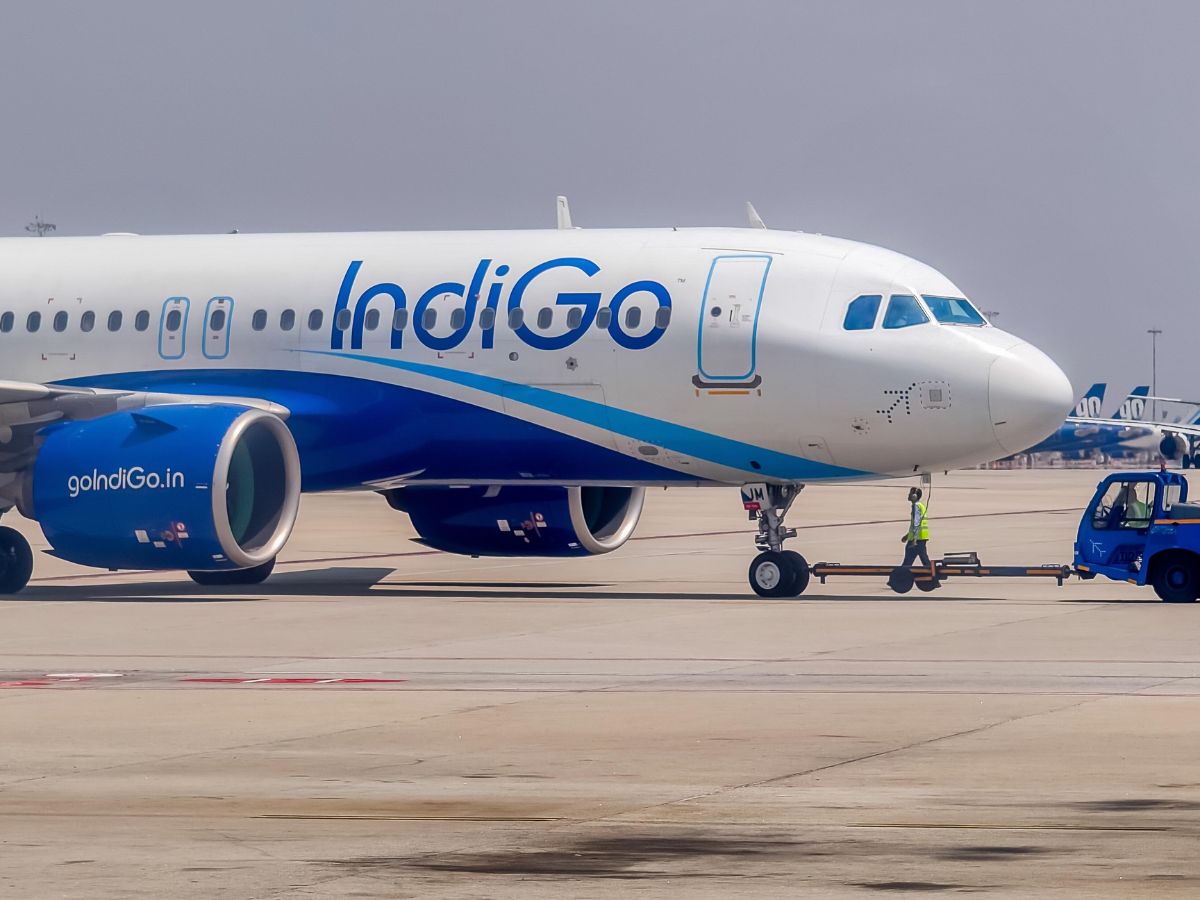
IndiGo, India’s largest low-cost airline, has found itself under heavy scrutiny this week after cancelling and delaying dozens of flights, leaving thousands of travellers stranded and frustrated. The turmoil comes amid growing tensions within the aviation industry over staffing norms, technical failures, and rising operational strain across major airports.
IndiGo Flight Delay: What Triggered the Disruptions?
According to airline officials, the immediate cause was an acute shortage of crew members. The airline blamed new safety regulations under the Directorate General of Civil Aviation (DGCA) — known as Flight Duty Time Limitations (FDTL) — which came into effect recently. These rules limit how many hours pilots and crew can work and mandate longer rest periods between shifts.
As a result, IndiGo cancelled more than 70 flights on December 3 alone, affecting routes from Bengaluru, Mumbai, Hyderabad and other major airports. The airline admitted to “operational requirements” and said that the crew shortfall, along with technical issues and airport congestion, forced the disruptions.
On-time performance also took a major hit. Data shows that on Tuesday, average punctuality at India’s six major domestic hubs dropped to just 35 %, a stark decline from the airline’s usual rate.
IndiGo Flight Delay: Tech Glitches & System Outages Added to the Mess
Crew shortage was only part of the problem. Several airports reported software and check-in system failures that slowed operations. In some cases, airlines resorted to manual check-ins, a highly inefficient stopgap that caused long queues and further delays.
Moreover, recent global safety warnings for the widely used Airbus A320 fleet added pressure on IndiGo’s scheduling. After a software-related recall, more than 330 A320-family jets across India required checks and upgrades. Though many of these upgrades were completed, the maintenance backlog contributed to irregular flight dispatches, extended turnaround times, and cancellations.
IndiGo Flight Delay: Travellers Endure Long Delays & Confusion
At airports like Pune, Nagpur, Hyderabad, Mumbai, and Bengaluru, stranded passengers described chaotic scenes — with repeated schedule changes, unclear announcements, and long waits. Some flights were delayed by several hours; others were cancelled without timely notifications.
One Mumbai–Hyderabad flight (6E-786) reportedly suffered a near-10-hour delay. By morning, many travellers had missed onward connections or lost crucial time.
Social media quickly filled with angry posts and complaints. Many flyers criticized IndiGo’s failure to communicate properly and accused the airline of mismanagement.
IndiGo’s Response: Large Pressure on India’s Aviation Sector
IndiGo has reached out to affected passengers with options for alternate flights or full refunds. The airline claims its teams are “working diligently to normalise operations.”
But industry analysts warn that as long as FDTL norms remain in place and crew numbers stay tight, such disruptions may recur. They call for urgent pilot recruitment drives, better operational planning, and stronger coordination between airlines and airports.
The chaos also highlights a structural issue: air travel in India — especially budget carriers that rely on tight scheduling and quick aircraft turnarounds — is becoming increasingly fragile under rising regulatory and technical pressures.
What Does This Mean for Frequent Travellers?
For passengers, the immediate takeaway is uncertainty. Even when flying domestically, they can no longer assume smooth, on-time travel. It may be wise to check flight status closely, allow more buffer time for connections, and stay prepared for unexpected delays or cancellations.
For the industry, this episode serves as a warning: compliance with safety norms and fleet maintenance, though critical, imposes heavy operational constraints. Airlines and regulators will need to work together more proactively to prevent future crises and rebuild traveller confidence.