
The US has announced an immediate suspension of all immigration applications, including green cards and citizenship for applicants from 19 non-European countries. The move, triggered by heightened national-security concerns following a recent deadly incident near Washington, D.C., places thousands of pending cases on hold and subjects them to fresh scrutiny. Applicants may now face extended delays, re-interviews, and uncertainty as the new policy takes effect.
Indian Rupee Hits Historic Low
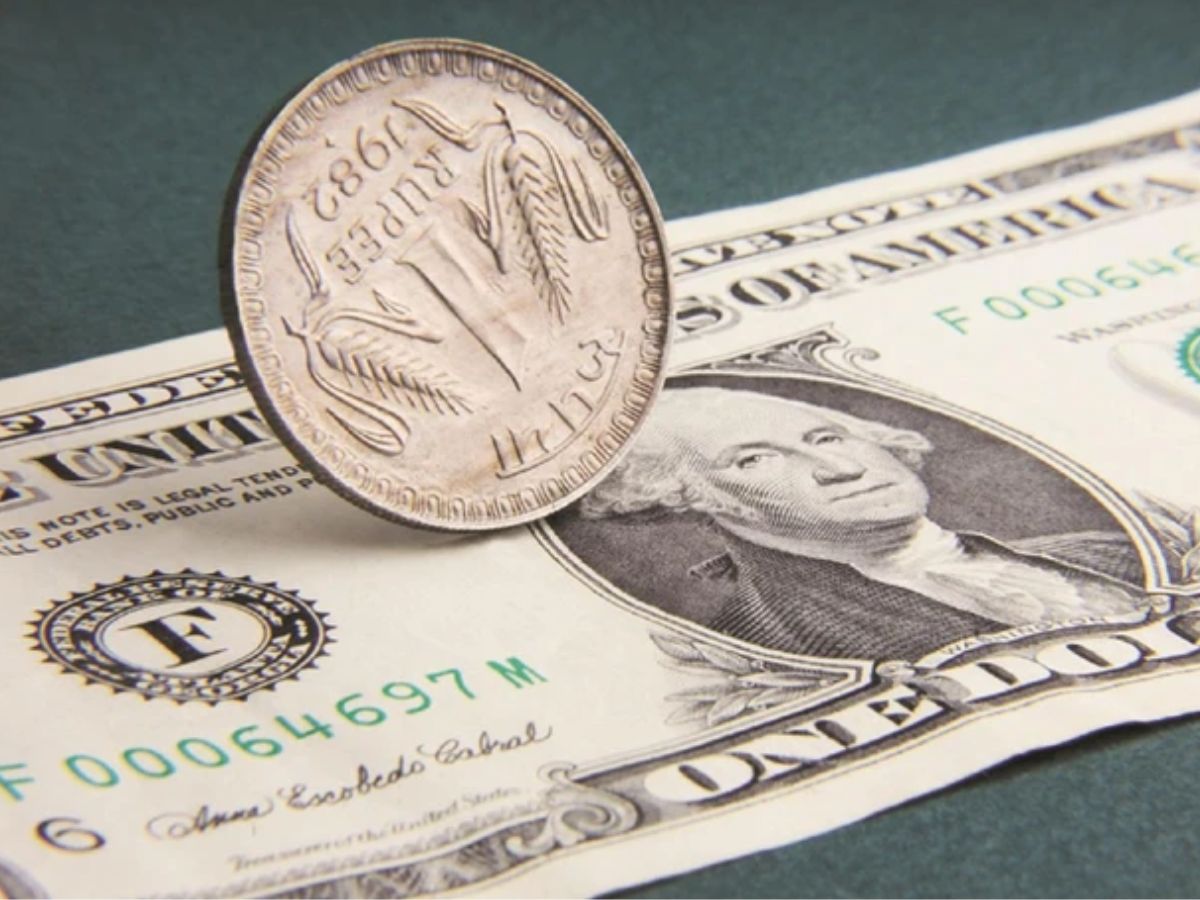
The Indian rupee dropped below the ₹90 per US dollar mark on Wednesday, December 3, 2025. It touched a fresh low of ₹90.13, eclipsing the previous record. This depreciation comes even though the Indian economy showed strong growth recently — highlighting how external factors, not domestic performance, are driving the fall.
What’s Causing the Indian Rupee to Fall?
The US-India Trade Deal delay is one of the major reasons. The ongoing delay in closing a trade deal between the United States and India has shaken investor confidence. Without clarity on trade terms and tariffs, foreign investment and trade flows have slackened, hitting the rupee hard.
Heavy Capital Outflows & Trade Deficit
India has faced strong capital outflows this year, with foreign investors pulling out funds from equity and fixed-income markets. At the same time, imports remain high, and export demand remains weak, leading to a widening trade deficit.
This combination disturbs the balance between demand and supply for US dollars, pushing the dollar-rupee exchange rate upward.
Limited Intervention by the Central Bank
The Reserve Bank of India (RBI) has intervened in forex markets, but only in a “calibrated” and limited way. Rather than aggressively defending the rupee, it has allowed gradual depreciation — partly reflecting a policy stance that tolerates currency flexibility.
Analysts say this shows India is treating the rupee as a “shock absorber,” allowing it to adjust to global pressures instead of defending an “artificial line”.
What This Means for Economy, Business & Investors?
A weak rupee makes imports (including fuel, raw materials, tech equipment) more expensive. That could push up inflation and raise input costs for companies. Export-oriented firms may benefit — they earn in dollars, so they get more rupees per dollar now. Indeed, some IT stocks rose after the rupee slide.
Foreign investors may stay cautious, which can hurt equity markets and foreign capital inflows. If the rupee keeps weakening, domestic companies with foreign-currency debt may see their debt burden rise.
What’s Next Possible Scenarios?
If the US–India trade deal gets finalised or tariffs ease, the rupee could stabilise or even strengthen. But if outflows continue and global dollar demand remains strong, the rupee may slide further — some analysts expect ₹91+ per dollar by mid-2026.
The RBI’s response will also matter. Aggressive forex intervention or supportive monetary policy could slow the slide.