
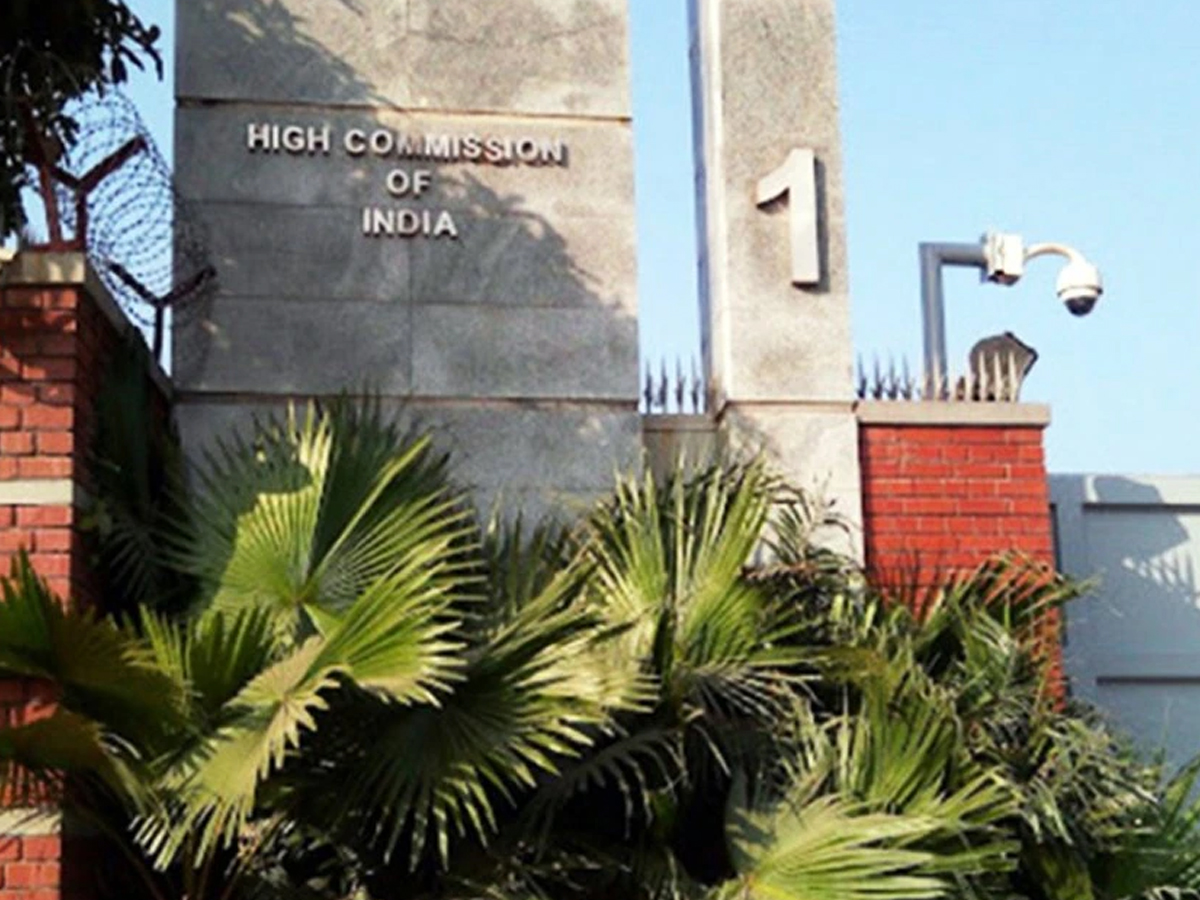
India has sent a strong diplomatic signal to Bangladesh amid rising tensions in Dhaka. The Union government on Wednesday summoned Bangladesh’s High Commissioner to New Delhi after protests targeted the Indian mission in the Bangladeshi capital.
The move reflects growing concern in New Delhi over the safety of Indian diplomatic staff and the tone of recent political statements coming from Bangladesh. Officials see the developments as sensitive, especially at a time when both nations publicly stress cooperation and regional stability.
The High Commissioner met officials at the Ministry of External Affairs and left the building later in the afternoon.
Why India Summoned Bangladesh’s High Commissioner
The Ministry of External Affairs called in Bangladesh High Commissioner M. Riaz Hamidullah following days of protests outside the Indian High Commission in Dhaka.
Indian officials flagged concerns about security arrangements around the mission. The government sought clarity on how Bangladeshi authorities plan to ensure the safety of Indian diplomats and property.
The meeting comes as political rhetoric against India has intensified in Bangladesh in recent days.
Anti-India Speech Raises Red Flags in New Delhi
The diplomatic outreach followed controversial remarks by National Citizens Party (NCP) leader Hasnat Abdullah. He delivered a public speech that alarmed Indian authorities.
Abdullah reportedly threatened to isolate India’s northeastern states, often referred to as the Seven Sisters. He also spoke about offering refuge to separatist groups if Bangladesh were to face instability.
Indian officials view such statements as provocative and potentially harmful to regional peace. Abdullah is known for his strong anti-India stance.
Timing Sensitive Amid Vijay Diwas Anniversary
The summons came just a day after Bangladesh celebrated Liberation Day, also known as Vijay Diwas in India. The date marks India’s victory over Pakistan in the 1971 war that led to Bangladesh’s independence.
Despite tensions, External Affairs Minister S Jaishankar publicly extended greetings to Bangladesh.
In a post on X, he said, “Greetings to Foreign Affairs Adviser Mohammad Touhid Hossain, the Interim Government and the people of Bangladesh on Bijoy Dibosh.”
The message underlined India’s intent to keep diplomatic channels open.
What the Bangladesh High Commissioner Said About India Ties
Bangladesh’s Victory Day celebrations were held at the Bangladeshi Embassy in Delhi on Tuesday. High Commissioner M Riaz Hamidullah addressed the gathering during a cultural programme.
He highlighted Bangladesh’s focus on youth, growth, and long-term national goals. He also underlined the importance of ties with India.
“The whole of Bangladesh, and all of us, are committed to fulfilling the aspirations of our people, especially the younger generation. We have a very young demography… We believe our relationship with India is in our shared interest. We have mutual interdependence… We are fully focused on prosperity, peace, and security in the region,” ANI quoted Hamidullah as saying.
India-Bangladesh Relations at a Crossroads
India and Bangladesh share deep political, economic, and cultural ties. Both countries cooperate closely on trade, security, water sharing, and regional connectivity.
However, recent protests and political statements have added strain. Indian officials continue to stress that diplomatic missions must remain protected under international conventions.
New Delhi expects Dhaka to act swiftly to prevent further incidents and curb inflammatory rhetoric.