
Tensions flared between India and Pakistan as Islamabad accused India of blocking its humanitarian aid destined for Sri Lanka following Cyclone Ditwah. On Tuesday (Dec 2), Pakistan’s Foreign Ministry claimed that Pakistani aircraft carrying emergency supplies had been waiting for over 60 hours for flight clearance.
The charge sparked strong rebuttal from India’s foreign-affairs authorities, igniting a new diplomatic controversy just as relief efforts grow urgent for devastated Sri Lankan communities.
India’s Official Response: Overflight Cleared Same Day
The Indian Ministry of External Affairs (MEA), through spokesperson Randhir Jaiswal, rejected Pakistan’s allegations. “We reject the ridiculous statement made by the Ministry of Foreign Affairs of Pakistan, which is yet another attempt to spread anti-India misinformation,” Jaiswal said. He added that the overflight request was received on December 1 around 13:00 hrs, and India granted permission the same day at 17:30 hrs.
The MEA said it processed the request “expeditiously,” underscoring that the claim of blockage is false. India reaffirmed its commitment to helping Sri Lanka, calling its own ongoing relief operations a testimony to its support for the island nation.
Pakistan’s Claim: Delayed Clearance Thwarting Aid Mission
According to Pakistani officials, the aid aircraft described as carrying vital relief material remains grounded. They allege that the partial flight clearance issued by India lacked return-flight validity and was operationally impractical.
Islamabad characterised the delay as a serious hindrance to the humanitarian mission meant for flood- and cyclone-hit Sri Lankan communities. Pakistani foreign ministry sources also criticised the “time-bound” partial clearance, suggesting it effectively blocked the aid delivery — despite the MEA’s denial.
Allegation of Expired Aid Adds to the Controversy
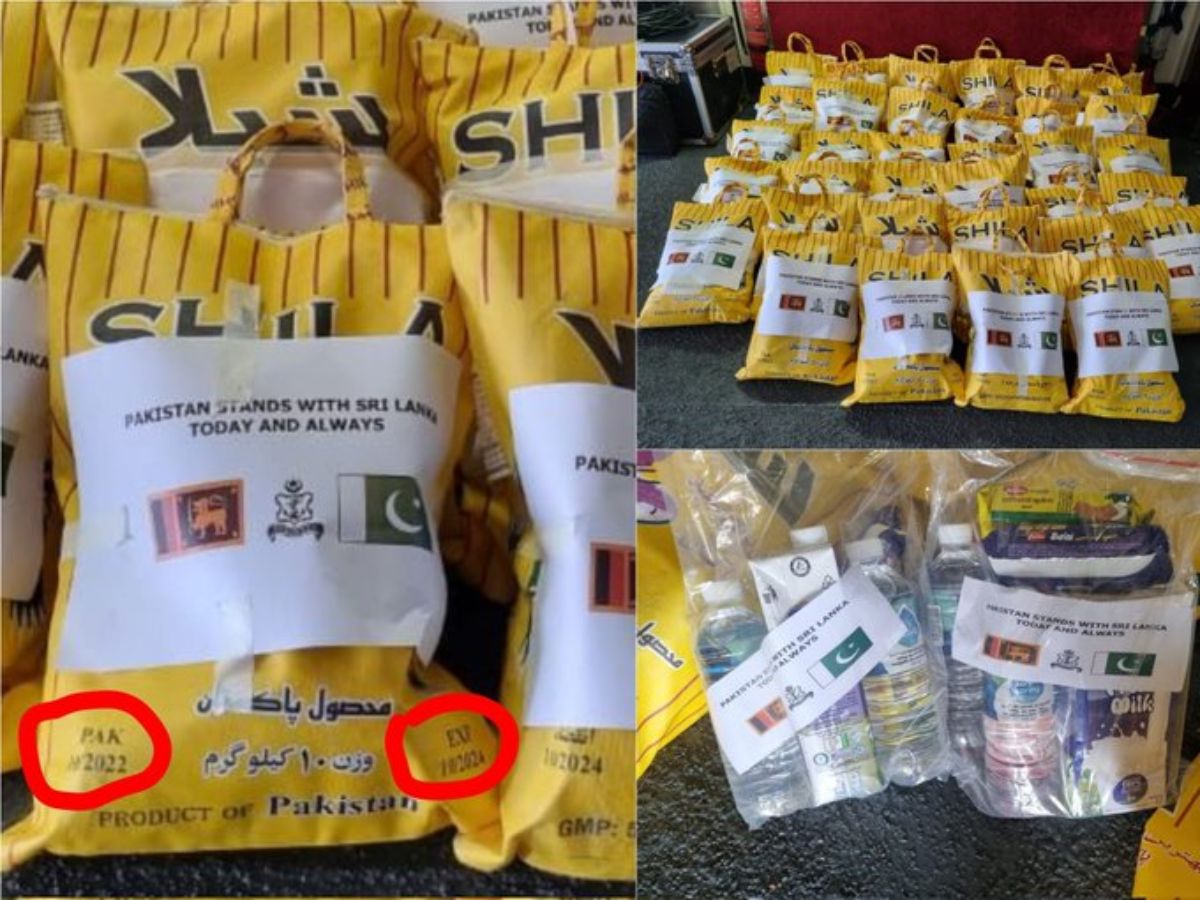
The dispute grew more complex when some recipients and observers claimed that parts of the donated supplies from Pakistan had expired. According to a circulated photo originally shared by the Pakistani Embassy in Colombo, the items carried printed expiry dates. This sparked sharp criticism from locals and the media, questioning the sincerity of the gesture.
Though the embassy later removed the post with the photos, the episode further fuelled doubts over the quality and timing of the aid. As of now, no independent verification has confirmed whether all packages were expired or only some, and no official response from Sri Lankan authorities has addressed these claims publicly.
What It Means for Relief in Sri Lanka?
Reliability of Aid Relief: The controversy could delay critical aid reaching vulnerable communities still reeling from floods and landslides.
Diplomatic Fallout: The public spat threatens to strain Indo-Pak diplomatic ties further, at a time when regional cooperation is vital for disaster response.
Importance of Transparency: In humanitarian crises, timely, transparent aid delivery matters. Allegations of expired goods or delays erode public trust and international goodwill.
Urgent Need for Independent Oversight: Relief efforts may benefit from neutral observers or international agencies to ensure safe, credible delivery.