
Bangladesh Prime Minister Khaleda Zia closes a defining chapter in South Asian politics. Her death has drawn attention not only within Bangladesh but across the region, reflecting the weight of her political legacy.
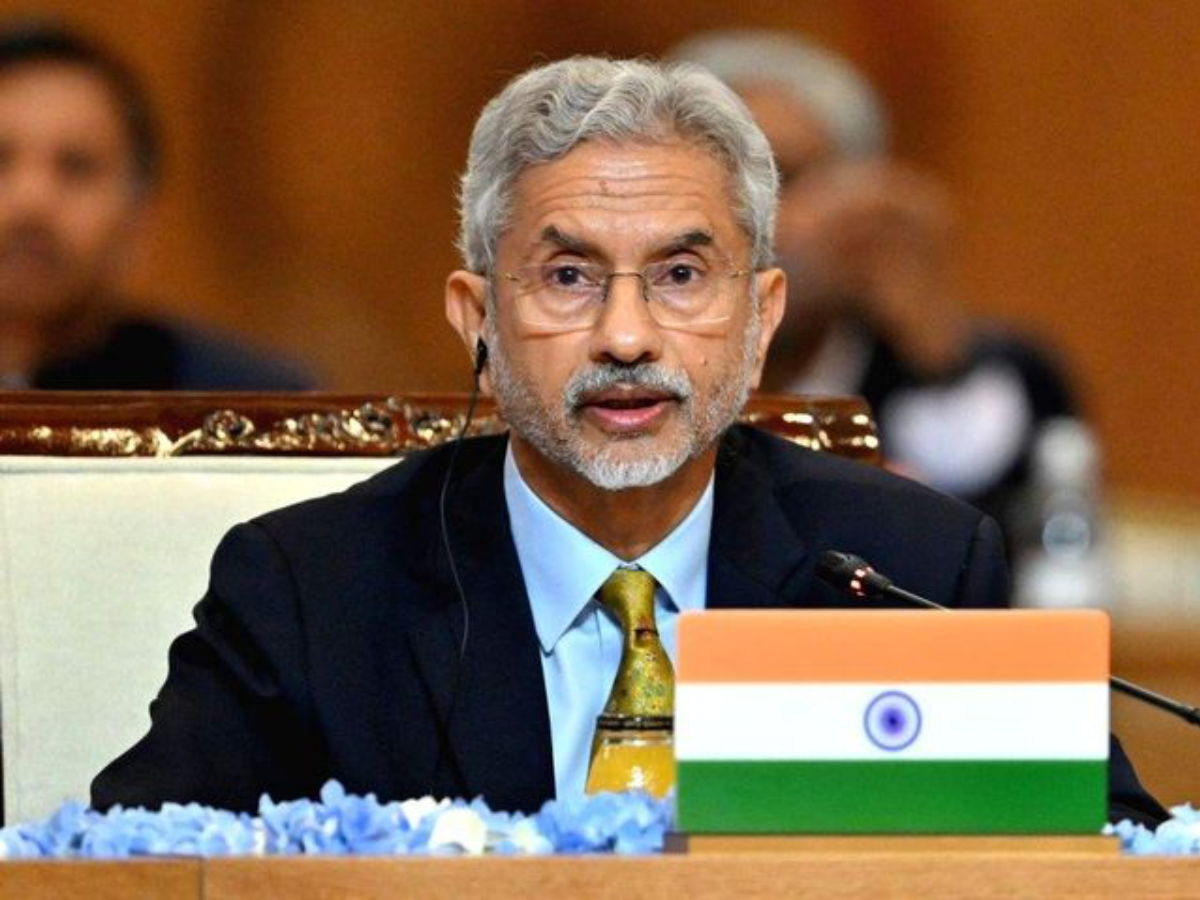
India’s decision to send External Affairs Minister Dr S Jaishankar to attend her funeral underlines the diplomatic significance of the moment and the enduring ties between New Delhi and Dhaka during periods of transition.
Khaleda Zia: Final Journey & State Honours
Khaleda Zia died in Dhaka on December 30 after a prolonged battle with multiple health complications. She was 80. Hospitalised for weeks, her condition deteriorated despite intensive care. The Bangladesh Nationalist Party confirmed her passing in the early hours of the morning, with family members present.
The government announced three days of state mourning acknowledging her role as a former head of government. Her funeral prayers are scheduled at the National Parliament complex, followed by burial beside her late husband, President Ziaur Rahman with full state honours.
India’s Diplomatic Presence on Khaleda Zia Death
Prime Minister Narendra Modi expressed condolences soon after the news broke, describing Khaleda Zia as a towering political figure in Bangladesh’s history. Dr S Jaishankar’s presence at the funeral represents more than protocol.
It reflects India’s intent to maintain continuity and respect during moments of political and emotional significance in neighbouring countries. Pakistan’s foreign minister is also expected to attend, signalling the regional importance of the event.
ALSO READ: Who is Sergey Sklokin? The 12-Year-Old Who Defeated Gukesh at the FIDE World Blitz Championship
Who was Khaleda Zia
Born in 1945, Khaleda Zia entered public life after the assassination of her husband in 1981. She took charge of the BNP in the mid-1980s and emerged as a key voice against military rule.
In 1991, she became Bangladesh’s first woman prime minister, later returning to office in the early 2000s. Her rivalry with Sheikh Hasina defined decades of national politics, marked by sharp divisions and alternating power.
Khaleda Zia’s End of an Era
Zia’s later years were marked by imprisonment, illness, and eventual political rehabilitation. Released from detention after political upheaval in 2024, she had begun preparing for a possible return to public campaigning ahead of elections expected in 2026.
Her death halts that prospect and symbolises the fading of a generation that shaped Bangladesh’s democratic struggles. For many, Khaleda Zia remains a complex figure, admired by supporters and criticised by opponents but undeniably central to the nation’s modern history.
Disclaimer: This article is based on official statements and media reports available at the time of publication. Details may evolve with new information.