
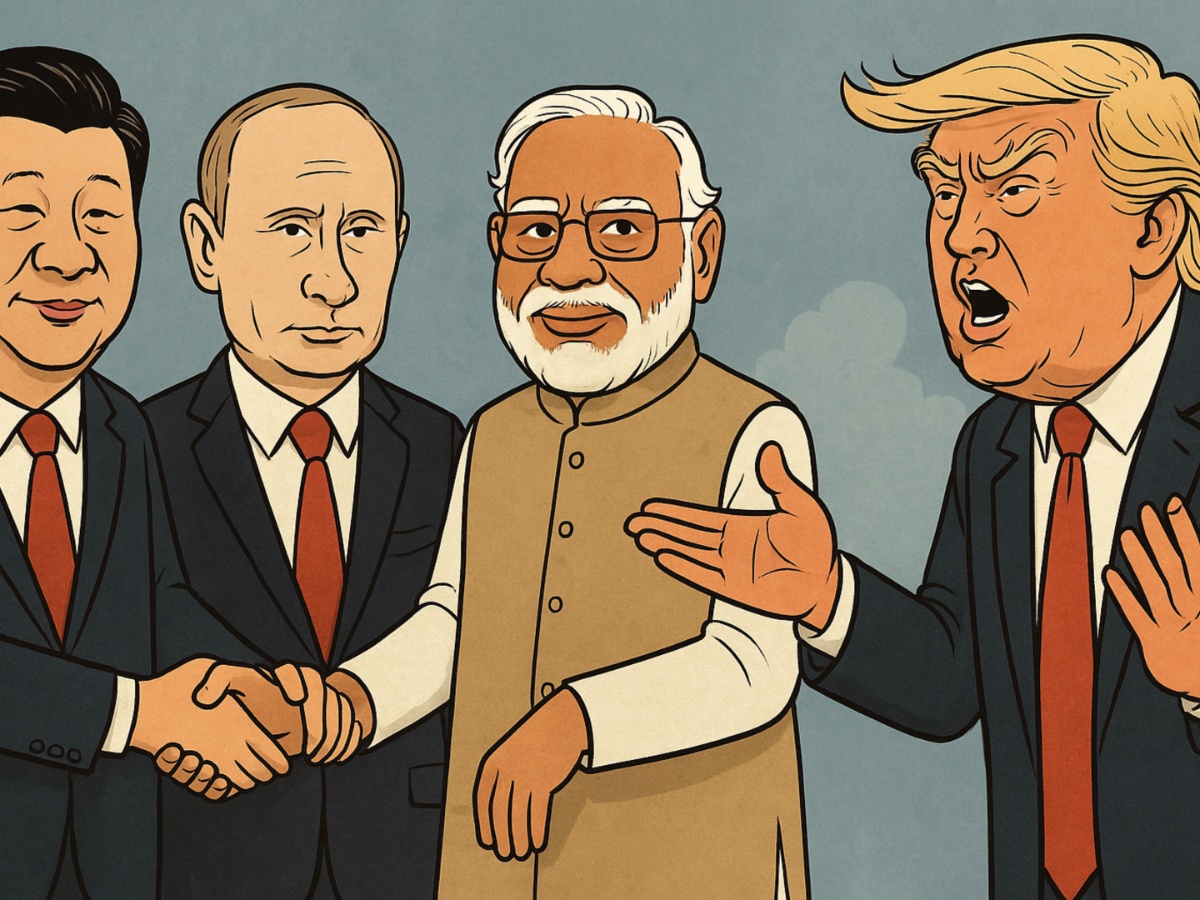
Trade relations between the United States and India took a hit after President Donald Trump slapped nearly 50 percent tariffs on Indian goods. By shifting focus from China to India, Trump pointed to India’s ongoing purchase of Russian oil during the war in Ukraine as the main reason and this move has put a strain on the two countries’ relationship.
India was quick to point out the double standards, highlighting that China actually imports more Russian oil but hasn’t faced the same tariffs. These new duties threaten to hurt Indian exporters, which could lead to job losses and lower purchasing power.
Lobby with Indian-Origin Congresspersons and Top Corporate Bosses
When Trump raised tariffs in China, prominent American businessmen like Jensen Huang, Bill Gates, and Elon Musk voiced support for China. India lacks this kind of advocacy. New Delhi must engage Indian-origin Congress members and influential CEOs from companies like Microsoft, Google, and Adobe and this lobbying effort can help present India’s case in the US and seek relief from punitive tariffs.
Read More: Intel CEO Lip-Bu Tan Rejects Trump’s Demand to Quit
Seek an Integrated BRICS Response
Trump has targeted several BRICS nations, including Brazil, Russia, India, and China. He views the group’s “De-Dollarisation” efforts with suspicion. India can collaborate with BRICS partners to develop a united strategy against the tariff pressures. Brazil’s President Lula da Silva has already called for a meeting to discuss this issue, and Prime Minister Narendra Modi plans to raise it at the upcoming Tianjin SCO summit in China.
Phase Out Russian Oil Consumption
India might consider a phased reduction in Russian oil purchases as a strategic concession. While this could hurt global oil prices, it may help ease US concerns and a headline-grabbing deal on this front could open the door for tariff rollback and improve trade relations.
Read More: Donald Trump Calls for Intel CEO to Resign Immediately
Offer Concessions on Premium Agricultural Products
India can also think about offering concessions on premium agricultural exports to the US but however, this approach has political risks, as it would affect Indian farmers. Prime Minister Modi has made it clear that India will never compromise on farmers’ interests, despite the potential economic cost. Thus, this option appears less likely.
Retaliate with Tariffs
India could respond by placing tariffs on American goods, but it doesn’t have the same kind of influence in the US market that China does. For example, China controls rare-earth minerals that the US defense industry really depends on, giving it more leverage. Since India doesn’t have that kind of bargaining power, its options for retaliation are more limited—but it’s still something worth considering.
Read More: 19 Days to Go: Can PM Modi Steer India Clear of Trump’s 50% Tariff Hit?
As India faces this challenging trade environment, these five strategies offer possible pathways to counter Trump’s tariffs.