
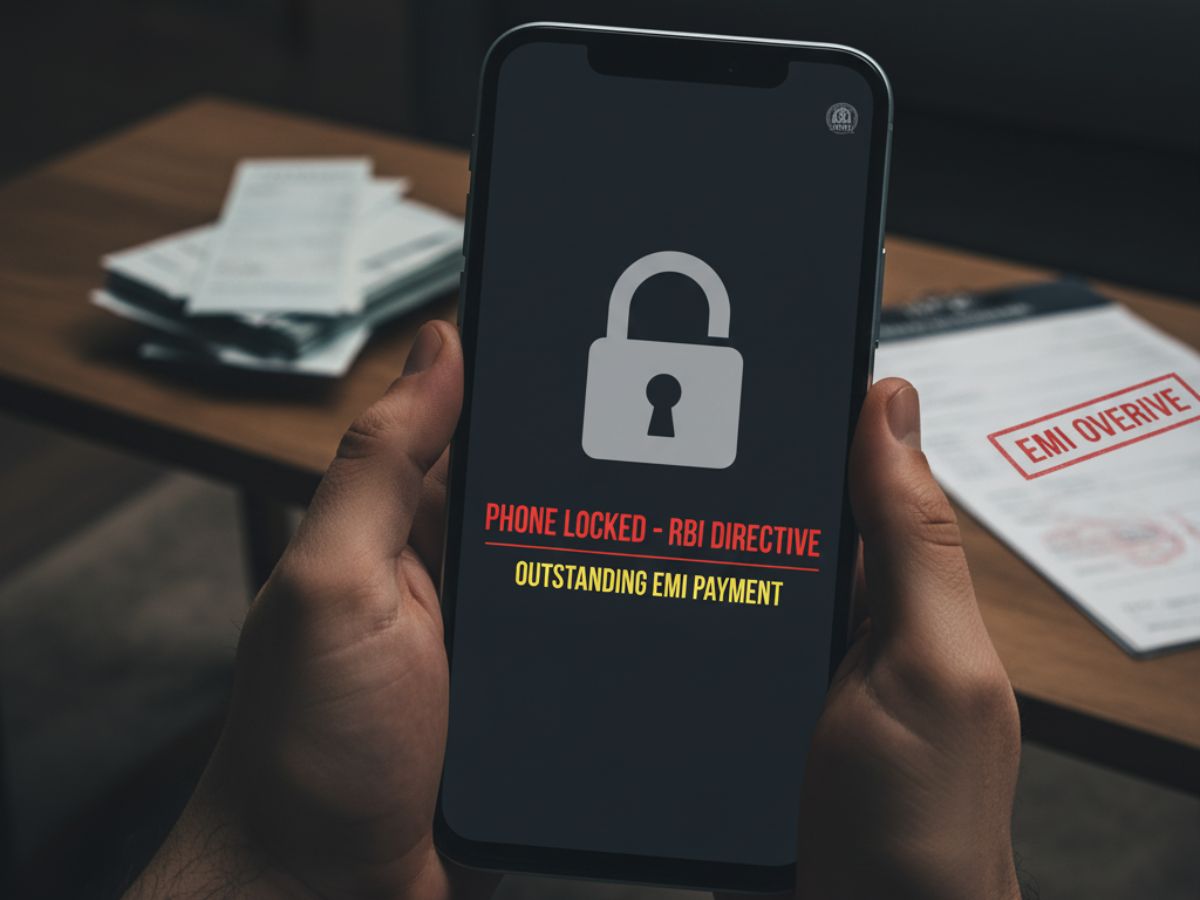
The Reserve Bank of India (RBI) is actively considering a new digital security measure that could change the consequences of defaulting on a loan.The central bank is developing a system that lets lenders remotely block borrowers’ smartphones if they don’t repay loans. While intended to reduce bad loans, it raises concerns about privacy and consumer rights. The RBI is now carefully examining the pros and cons before implementing any such system.
What Exactly is the RBI Proposing?
RBI Governor Sanjay Malhotra confirmed the initiative during a recent Monetary Policy Committee (MPC) press briefing. The proposed system would create a technological framework for financial institutions. If a borrower defaults on their equated monthly instalments (EMIs) for a device, the lender could trigger a remote lock, effectively disabling the phone. This idea emerged after the RBI had previously instructed lenders to halt such practices, indicating a move towards creating a regulated and standardized approach instead of an ad-hoc one.
Why is the RBI Considering This Step?
The primary motivation for the central bank is to control the rise of non-performing assets (NPAs) in the retail loan segment. Small-ticket device loans can be difficult for lenders to recover once a borrower defaults. This mechanism would provide them with a powerful tool to ensure repayment. As reported by sources to Reuters, “The RBI wants to ensure that lenders have the power to recover small ticket loans.” Finding a balance that allows lenders to recover without taking more drastic action is the aim.
What Are the Concerns with This Plan?
The most significant concern revolves around customer rights and data security. Locking a device that contains personal photos, messages, and financial information is a severe step. An MPC member told the Economic Times that the issue is under examination, noting there are “pros and cons on both sides, in terms of balancing the customer rights and requirements of data privacy, and also the creditor’s requirements.” The RBI is acutely aware that any such power must not infringe upon the fundamental right to privacy of an individual.
Also Raed: Breaking: Hamas Says It Will Release All Hostages Under Trump’s Gaza Peace Proposal
What Happens Next with This Proposal?
The RBI is not rushing this decision. The matter is currently under detailed examination, with the central bank weighing all implications. It is expected that the RBI will update its Fair Practices Code for lenders in the coming months. This upgrade will probably include detailed instructions on when and how to employ a phone-locking mechanism, making sure it is a last resort with well-defined procedures to shield customers from any creditor abuse.
Disclaimer: This report is based on statements from RBI officials and MPC members as reported and inputs from news agency reports.