
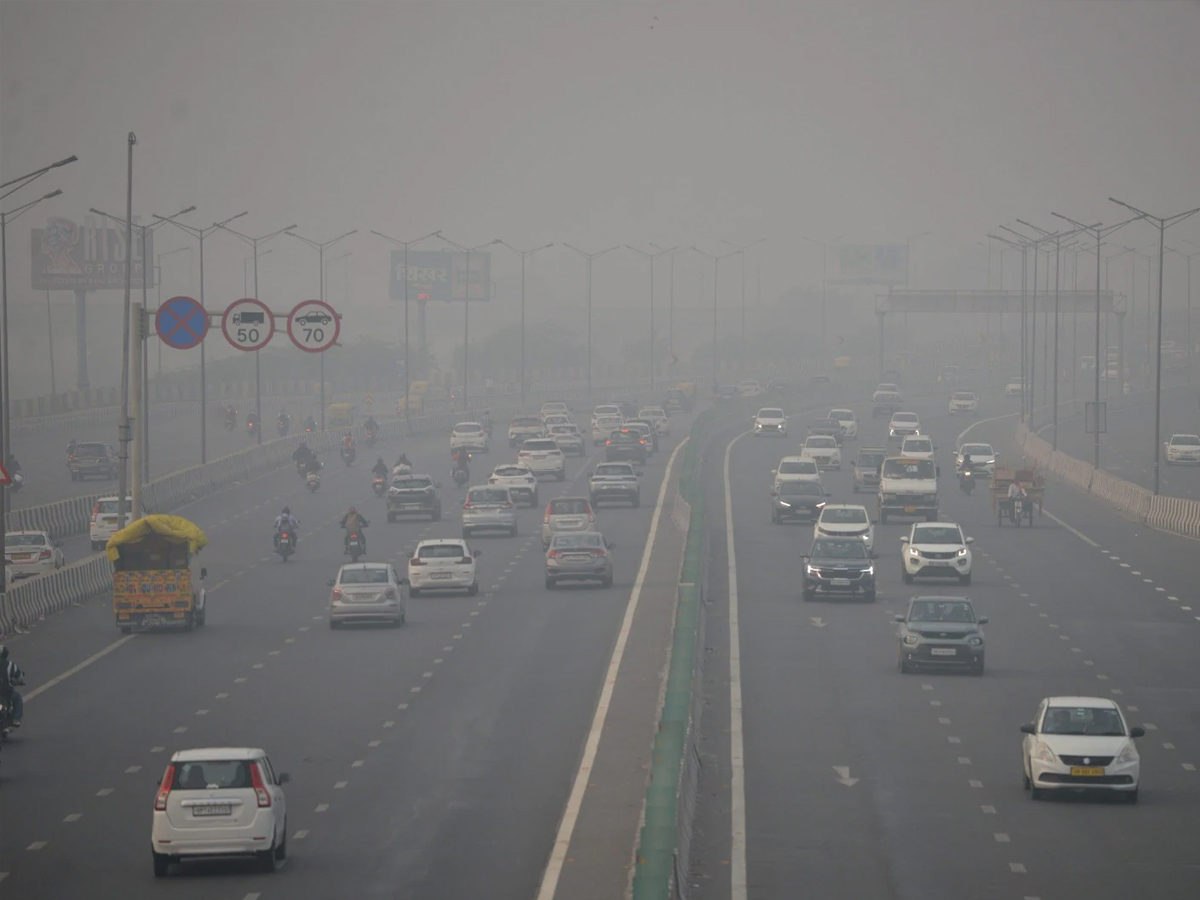
The authority overseeing Delhi’s air quality has lifted the harshest smog restrictions just days after imposing them. This move signals a shift from extreme curbs to more moderate pollution controls.
What Changed: 50% WFH Rule and School Policies
With the withdrawal of Stage 3 under the graded response plan, the requirement for offices to operate with only half of their staff working from home has ended. Likewise, schools that were using a hybrid model for young students will now return to full in-class sessions. Delhi’s Environment Minister, Manjinder Singh Sirsa, confirmed the changes in a post on X.
What Remains: GRAP I and II Still in Force
Although the strictest curbs are gone, several pollution-control measures remain active under GRAP I and II:
Under GRAP I:
- Officials will conduct thorough inspections of polluting vehicles and enforce stricter traffic management.
- Industries, power plants, and brick kilns must cut emissions.
- Burning of open waste is banned. Use of diesel generators, coal, and firewood in eateries is restricted.
- Public transport continues to operate; the public is urged to favour buses and metros over cars.
Under GRAP II:
- Restaurants and hotels must stop using coal or firewood, including for tandoors.
- Diesel generators are allowed only for essential services.
- Construction and demolition sites remain shut if they have closure orders.
- Daily anti-smog measures — mechanised road sweeping, water sprinkling, and anti-smog gun use — will continue.
Why the Reversal Happened
Delhi’s air quality, while still poor, has slightly improved from recent highs — the AQI dropped from 420 to 371 in just one day, according to local trackers. Though levels remain dangerous, the easing suggests authorities believe the worst of the smog wave may be passing.
What This Means for Residents
Offices & Workers: Teams can now return full-force to office buildings. The temporary 50% WFH arrangement is over.
Schools & Students: Students up to Grade 5 can resume full physical classes — no more hybrid learning.
Pollution Controls: Even with relaxed curbs, smog-fighting actions continue. Officials will enforce emissions checks, ban waste burning, and restrict certain fuel use.
Bigger Picture: Balancing Safety and Normalcy
This development shows how policymakers try to strike a balance during Delhi’s smoky season. Rather than rely purely on severe limits, they are now leaning on more targeted, sustainable measures. But pollution remains a serious problem — and how long these moderate measures hold will depend on how air quality evolves in the coming days.