
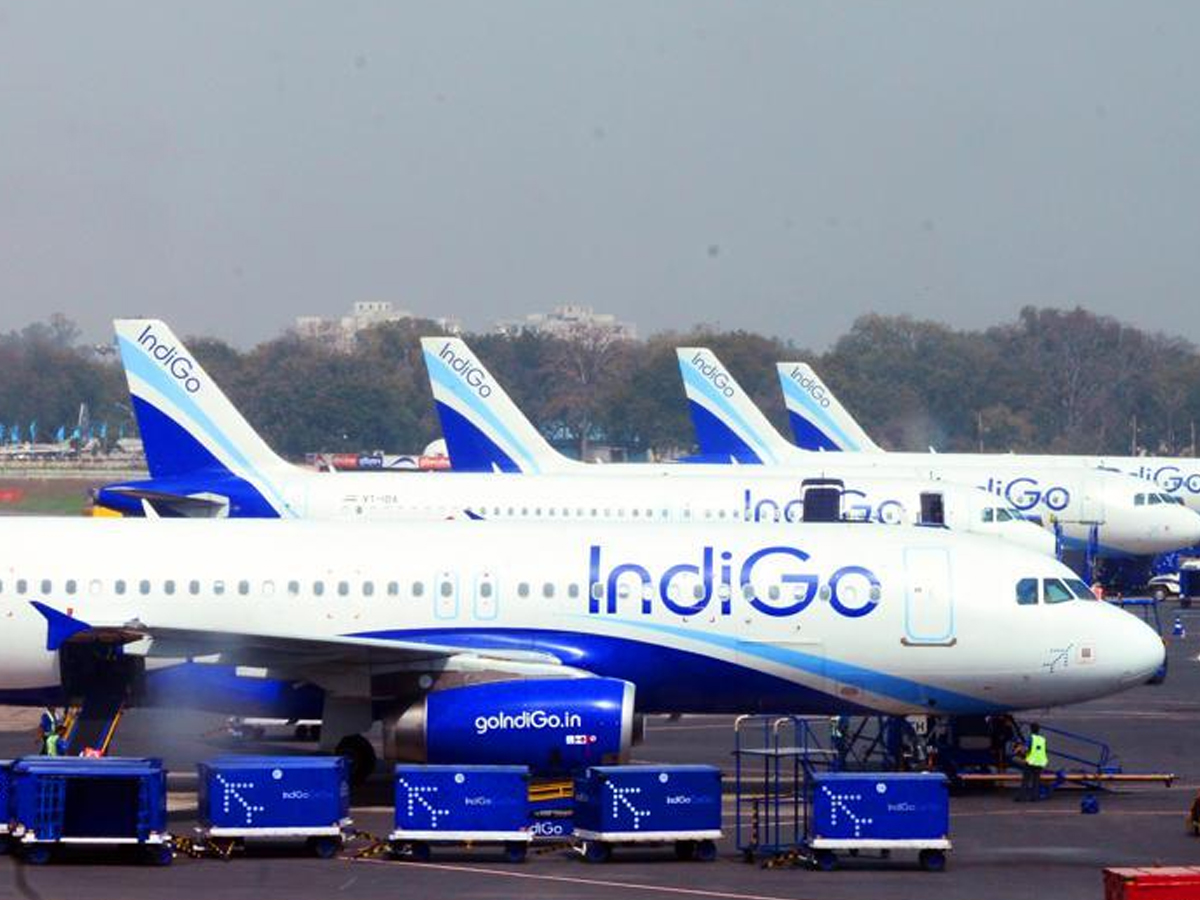
A wave of cancellations at IndiGo triggered a sharp rise in ticket prices across multiple routes. Airfares on busy sectors jumped to five to ten times normal rates. In response, the government introduced fare caps nationwide on Saturday. The move aims to shield passengers from exploitative pricing during the chaos.
Bombshell Surge: How Bad Did Fares Get?
With hundreds of flights cancelled, travel demand surged — but supply shrank. As a result:
- Round-trip fares on major routes soared: Delhi–Mumbai, Bengaluru, Chennai, and Kolkata all saw last-minute tickets skyrocket.
- Prices that normally hover around ₹20,000–₹25,000 rose to ₹80,000–₹90,000 on busy or last-minute bookings.
- The surge triggered widespread anger among travellers.
The unexpected jump left many stranded or forced to pay exorbitant amounts to reach home.
Government Forces a Reset: Fare Caps Now in Force
The Ministry of Civil Aviation (MoCA) stepped in as officials said airlines must now follow “fair and reasonable fares” on all affected routes until operations stabilise. The directive aims to protect travellers who are already impacted, including senior citizens, students, and patients, from financial strain.
The ministry also warned airlines that any deviation from the caps will attract corrective action. In parallel, regulatory bodies will monitor fare data and coordinate with travel platforms to ensure compliance.
Why This Crisis Happened: Crew Rules and Sudden Cancellations
The disruption at IndiGo stems from staff shortages following revised crew-duty norms. The airline cited difficulties in scheduling under the new regulations. With many flights suspended or cancelled, alternative airlines couldn’t meet the sudden demand.
This sharp imbalance sparked a fare-hike surge. Industry analysts said such price spikes typically happen in holiday-season rushes, but rarely so abruptly. The result: a travel crisis that affected thousands across major metros from Delhi and Mumbai to Bengaluru and Hyderabad.
Passenger Fallout: Frustration, Stranded Flyers, and Last-Minute Panic
For many passengers, the sudden fare jump meant emergency re-booking, long waits, or outright inability to travel. Some who managed to secure tickets spent three to five times their usual amounts. Others were forced to postpone plans.
Frequent flyers and travel agents expressed outrage. They called the hike “exploitative,” especially given that the disruption came from structural issues — not high demand from travellers.
What Fare Caps Mean Now
With caps in place, ticket prices are expected to stabilise. But much depends on:
- How strictly do airlines follow the directive?
- Whether supply rises again (i.e., flights resume).
- How regulators monitor compliance.
For travellers, this could mean relief — lower prices and more affordable travel options in the coming days. But uncertainty still looms until IndiGo stabilises its operations and crews return.
Why This Matters: Stranded Travellers, Regulatory Oversight, Industry Stability
This crisis shows how disruption in one major airline can ripple across an entire aviation sector. It underscores the role of regulatory oversight in protecting consumers. When airlines falter, price caps become a social safeguard, ensuring people can still travel without being exploited.
For India’s aviation industry, the week’s events mark a warning. Without adequate crew planning and contingency fallback, even strong airlines can trigger nationwide chaos.