
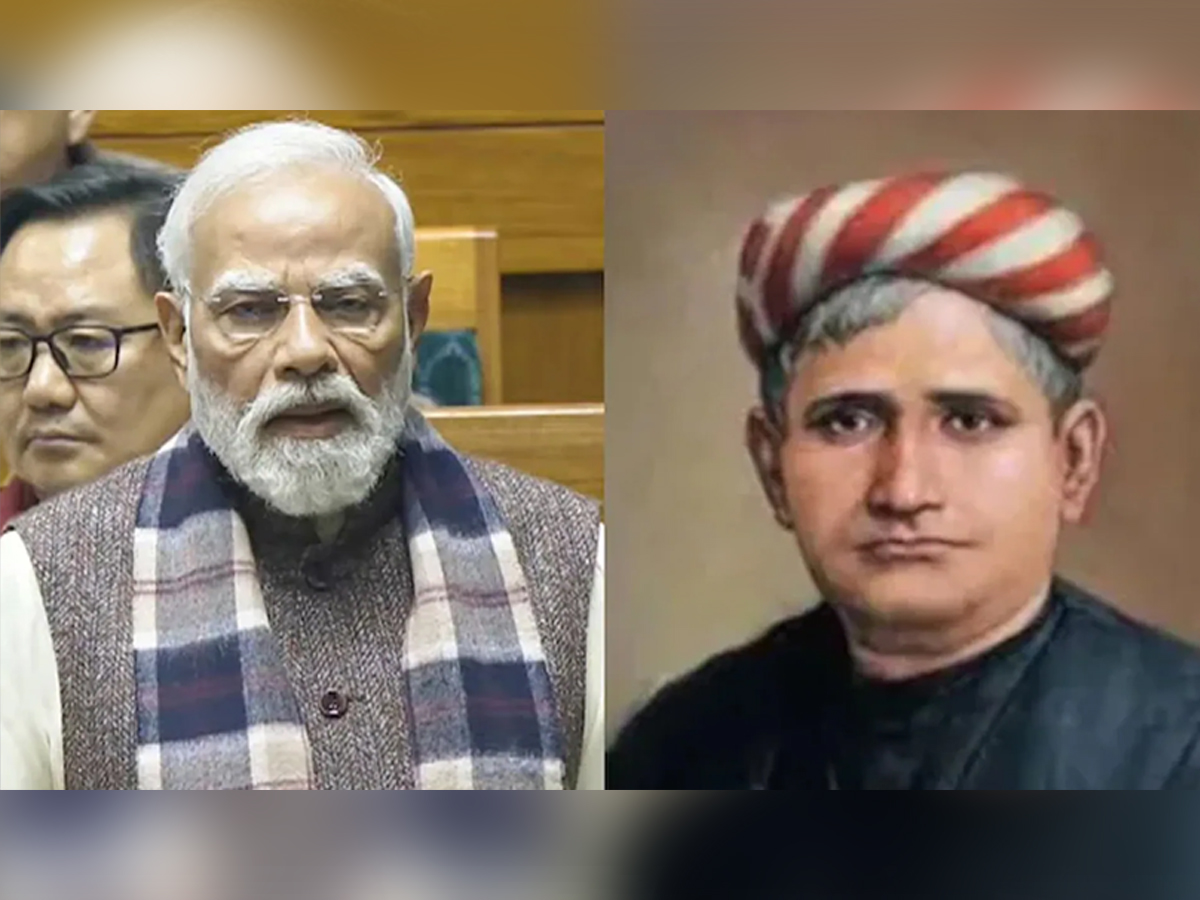
During the 150-year anniversary debate of the national song Vande Mataram in the Lok Sabha, a brief but sharp linguistic clash drew attention. When Prime Minister Narendra Modi referred to composer Bankim Chandra Chatterjee as “Bankim Da”, veteran MP Sugata Roy immediately interrupted, demanding the more respectful “Bankim Babu.” The moment turned from tense to light-hearted when Modi smiled, accepted the correction, and moved on, saying, “I will say Bankim Babu. Thank you, I respect your sentiments.” He then added jokingly, “Can I call you dada, or is that also an issue?”
What’s the Difference Between ‘Da’ and ‘Babu’?
In Bengali social usage, “Da” is a familiar suffix — akin to saying “elder brother.” It implies closeness and informality. “Babu”, on the other hand, is more formal and traditionally used for educated, respected gentlemen. It carries a sense of dignity and polite distance.
This clash over a suffix may seem small, but during a major national heritage debate, even a word becomes symbolic.
Modi’s Vande Mataram Speech: From History to Identity
After the brief exchange, PM Modi resumed his address and spoke at length about Vande Mataram’s role in India’s freedom struggle. He recalled how the song unified Bengal during the 1905 partition and how it became a guiding force in the Swadeshi movement.
He said the song stood “like a rock” against colonial rule and should now guide India’s journey towards self-reliance. Modi described Vande Mataram as “not just a mantra for political independence, but a symbol of our civilisational spirit.”
He also invoked Mahatma Gandhi, noting how Gandhi had written more than a century ago that Vande Mataram had become “like a national anthem” because of its profound emotional power.
Why the Exchange Matters: Sensitivity, Language, and Politics
Sugata Roy’s immediate objection highlighted how deeply language, respect, and cultural identity matter in Indian politics. While “Da” is common in Bengali households, “Babu” is considered more appropriate when referring to a historical figure in Parliament.
Modi’s quick acceptance of the correction and his humorous follow-up remark helped defuse the moment. But the encounter re-ignited larger conversations about how political leaders reference cultural icons, and how these symbols shape present-day narratives.
A Debate About More Than a Song
The disagreement shows how even small linguistic details hold cultural weight. It reflects the heightened sensitivities around national heritage during political debates.
It reveals how parties continue to interpret the legacy of Vande Mataram through different lenses. It marks the national song’s 150th year as not just a celebration, but a renewed political flashpoint.
As Parliament marked this milestone, the “Da vs Babu” moment served as a reminder that India’s cultural references are as alive — and as contested — as ever.