
In a rare humanitarian breakthrough amid Manipur’s prolonged ethnic tensions, all 14 Kuki individuals who had been held captive for 27 days by Naga village guards in Senapati district were released unharmed on Tuesday.
The detainees, reportedly abducted on or around May 13, were handed over to the chief of Taphou Kuki Village through the mediation of civil society organisations (CSOs) from Senapati district. They were later transferred to Senapati Police Station with the facilitation of the United Naga Council (UNC) and Naga People’s Organisation.
The released individuals, including villagers from the Taphou Kuki area who were seized while returning from work near Mount Everest College in Senapati, said they were treated well during their captivity. One of the freed men, Paotinkai Chongloi, said he received food, clothes and blankets and was not physically assaulted. His account matched earlier statements from other hostages who described their detention in Naga custody as relatively humane, though psychologically difficult.
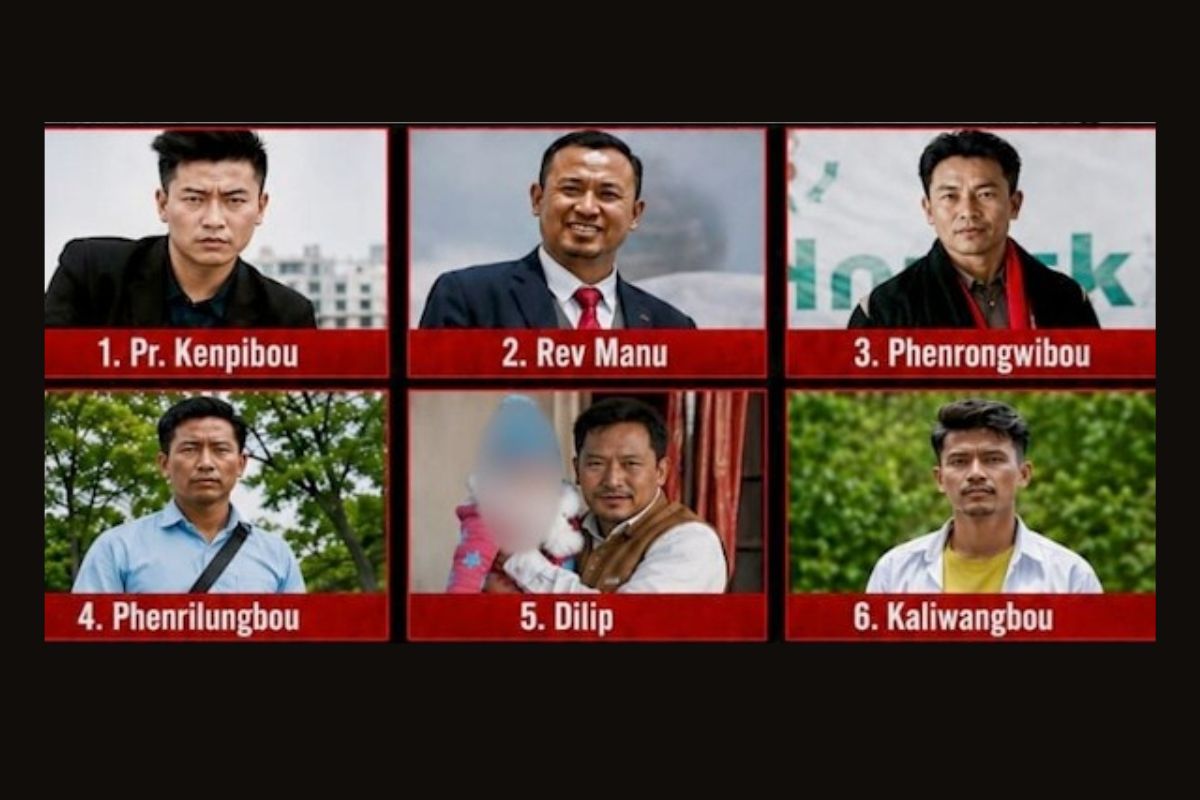
The release marks a partial easing of tensions in the latest phase of Manipur’s complex ethnic conflict. However, the development has not ended concerns, as the whereabouts of six Naga civilians allegedly abducted by Kuki armed groups on the same day in May remain unknown.
The hostage crisis unfolded against the backdrop of Manipur’s wider instability that has continued since the Kuki-Meitei clashes began in May 2023. The violence has claimed hundreds of lives and displaced tens of thousands of people. By early 2026, tensions had expanded to include clashes between Kuki and Naga communities in the hill districts of Kangpokpi and Senapati.
On May 13, 2026, the killing of three church leaders who were part of a Kuki Christian delegation that had visited Nagaland to broker peace triggered retaliatory abductions. Armed groups from both sides allegedly seized civilians in a cycle of retaliation. Initial reports suggested that between 20 and 48 people were taken hostage across communities.
Early mediation efforts resulted in the release of 14 people from each side shortly afterward. However, the remaining 14 Kukis stayed in Naga custody while Naga groups sought information about their six missing community members from the Leilon Vaiphei village area.
Kuki organisations, including Kuki Inpi Manipur (KIM), have consistently denied holding the six Nagas or having any knowledge of their whereabouts. They have maintained that all hostages under their control were released. Naga organisations, including the UNC, have argued that the six missing men, including individuals possibly linked to church groups, were handed over to Kuki militants and subsequently disappeared.
A Public Interest Litigation (PIL) filed before the Manipur High Court led the state government to submit an Action Taken Report. The matter was reportedly referred to the National Investigation Agency (NIA). Four arrests have been made in connection with the abductions, but the missing men have not yet been traced.
The latest tensions also revive memories of the violent Kuki-Naga clashes of the 1990s, which were driven by territorial disputes, land rights and competing nationalist aspirations, including Naga demands for “Nagalim” and Kuki visions of “Zale’n gam”. Those clashes resulted in more than 1,000 deaths and large-scale displacement. Historical grievances linked to overlapping territorial claims in districts such as Senapati, Ukhrul and Chandel continue to shape relations between the communities.
The Kuki-Meitei conflict between 2023 and 2026 further complicated the situation. Nagas, who were often seen as neutral or mediatory actors, became increasingly involved as Kuki demands for separate administration and concerns over territorial claims revived older disputes. Church leaders from both communities have continued peace efforts, highlighting their shared Christian faith as a possible foundation for reconciliation.
Civil society groups played a crucial role in securing Tuesday’s release. The UNC and Naga CSOs facilitated the handover despite earlier resistance and the cancellation of a proposed release on June 1 due to public sentiment and unresolved concerns over the missing Nagas. Security forces also faced challenges during rescue efforts amid threats and tensions on the ground.
Manipur’s Chief Minister has visited relief camps and assured efforts to trace the missing individuals, but trust between communities remains fragile. Amnesty International has called on all parties to release any remaining hostages and end the violence, warning of the dangers of further ethnic escalation.
The release has brought relief to Kuki families, but it also highlights broader challenges, including weak governance, the presence of armed groups operating under Suspension of Operations (SoO) agreements and the continued vulnerability of civilians caught in ethnic conflicts. Economic disruption, displacement and recurring shutdowns continue to affect communities across the hill districts.
Reacting to the development, Nagaland Chief Minister Neiphiu Rio welcomed the release and credited the efforts of Naga civil society organisations. He said, “I welcome the safe and humane release of the Kuki hostages by the United Naga Council and Naga civil society organisations, in response to the appeal made by Church bodies led by the Baptist World Alliance.” He added that he had held several interactions and deliberations with Naga civil society representatives over the past weeks to help resolve the impasse on humanitarian grounds and in keeping with Christian values. Rio said he had also formally appealed for the safe release of the hostages, guided by compassion, human dignity and the values of the Naga people. He described the release as a reflection of respect for human life, commitment to human rights and the belief that humanity must prevail even during conflict.
The Nagaland Chief Minister further expressed hope that the development would help restore trust, heal divisions and pave the way for lasting peace in Manipur. He said it was the collective aspiration of all communities that harmony, fraternity and mutual understanding should prevail to enable shared progress. “May this act of humanity serve as a reminder that dialogue, compassion and faith remain our most powerful instruments for reconciliation and peace,” Rio said. While the 14 released Kukis have now reunited with their families, the fate of the six missing Nagas remains unresolved. Until they are accounted for and stronger mechanisms for justice and accountability are established, Manipur’s crisis remains far from over.