
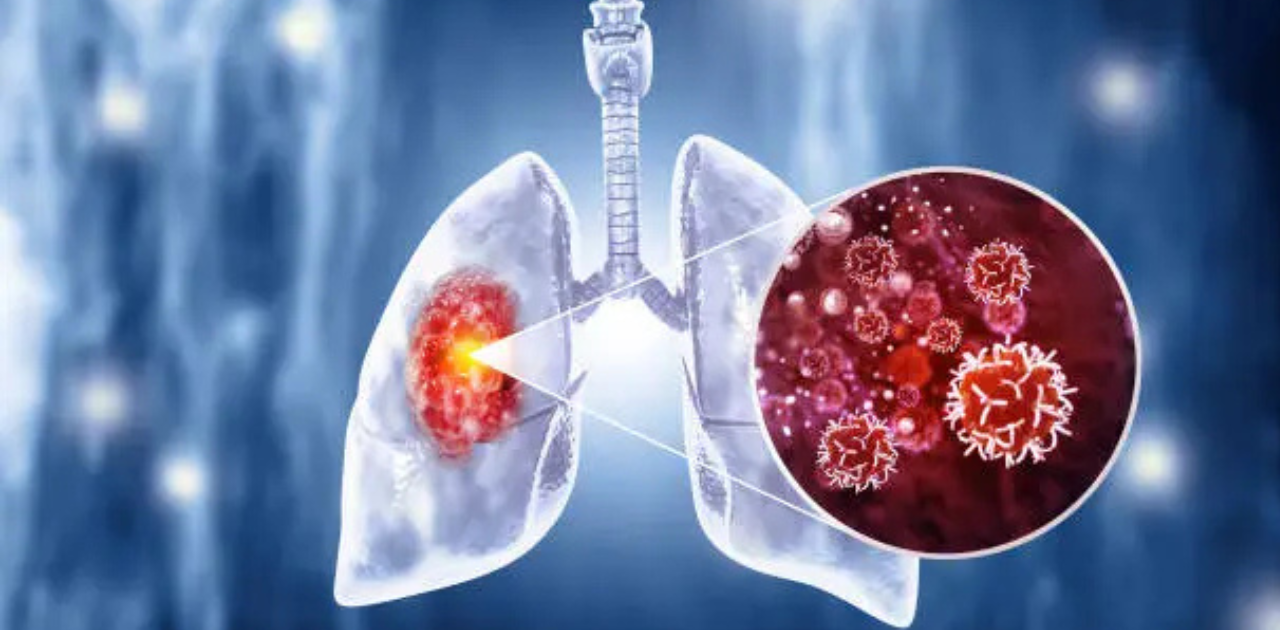
Observed on August 1 every year, World Lung Cancer Day aims to promote the awareness of one of the most common yet deadliest cancers across the globe. Lung cancer is still killing millions of people every year despite all the technological advances in medical science. This day acts as a reminder of the need for prevention, early detection, care for patients and ongoing research toward combating lung cancer. Although smoking is the primary cause of lung cancer, the disease can also develop as a result of a number of non-smoking-related factors. Today, non-smokers account for about 20% of all lung cancer cases. According to reports, there were 2.2 million new lung cancer cases and 1.8 million lung cancer-related deaths in 2020.
Since lung cancer accounts for almost one in five cancer-related fatalities globally, it is, to put it bluntly, a heavyweight. Over 2 million people worldwide receive a diagnosis each year, and the number isn’t going down. Because of risk factors like air pollution, secondhand smoke, radon gas, and occupational exposures, up to 25% of lung cancer diagnoses now afflict people who have never smoked, according to government data from nations like the US and India.
Get to Know Lung Cancer
Lung cancer begins in the lung tissues, usually in the cells lining the airways. Lung cancer is divided primarily into two types: non-small cell lung cancer (NSCLC), which accounts for about 85% of lung cancer cases and small cell lung cancer (SCLC), an aggressive tumor that spreads quickly.
Major risk factors for lung cancer are tobacco smoking, responsible for about 85% of all lung cancer cases. However, the disease can also take root in non-smokers from a variety of causes, including heavy exposure to secondhand smoke, air pollution, asbestos, radon gas and genetic factors. The increasing number of cases diagnosed among non-smokers calls for attention to the identification and control of environmental and occupational hazards as well.
Importance of Early Detection and Prevention
One of the hardest things to deal with about lung cancer is that symptoms do not appear until late stages of the disease. Symptoms to look for include persistent cough, chest pain, shortness of breath and unexplained weight loss. Unfortunately, such symptoms appear only when the disease has progressed; hence treatment is less effective.
Early detection significantly affects the survival chances of patients. Low dose computed tomography screening has been found effective in the identification of lung cancer in earlier and more treatable stages. Annual screenings in high-risk groups, especially current or former heavy smokers, can be a life-saving intervention.
Prevention still remains the strongest weapon against lung cancer. Stopping smoking, not exposing oneself to secondhand smoke, testing a house for radon levels and restricting exposure to harmful substances at workplaces will greatly diminish the risk. Public health campaigns and educational initiatives will solidify such efforts.
Living With Lung Cancer: Support and Hope
On a lung cancer diagnosis, lives turn upside down not just for the patients but for their families and caregivers. Along with the disease, emotional, psychological and financial strains appear. On World Lung Cancer Day, the significance of support systems and mental health care throughout the continuum of care for patients should be placed in the spotlight.
New hopes are appearing because of advances in targeted therapies, immunotherapy, and personalized treatment strategies that have improved many patients’ outcomes. With all of these innovations, some lung cancer patients have been helped to live longer and healthier lives. However, access to these treatments is still not universal and advocating equity in access remains a priority worldwide.
“Lung cancer is a leading cause of cancer-related death around the world, and it is attributed to a variety of lung cancer risk factors. The primary risk factor is tobacco use, which is linked to almost 85% of lung cancer cases. The longer and heavier the habit, the stronger the association, and even cigars and pipes hold risk. Secondhand smoke exposure is equally relevant, especially for children and spouses of smokers, because chronic smoke inhalation can compromise the lungs over time,” says Dr. Raman Narang, Senior Consultant–Medical Oncologist, Andromeda Cancer Hospital, Sonipat, and explains the most common cause of lung cancer.
Therefore, World Lung Cancer Day is about more than just statistics. It’s about having hope, taking action, and keeping in mind that lung cancer may strike anyone with lungs. Breathe deeply and raise awareness on August 1st; early detection can save lives, and when we work together, we can truly make a difference.