
New Delhi: The Delhi Government has announced the development of a comprehensive Road Asset Management System (RAMS) aimed at transforming the maintenance and management of the capital’s road infrastructure through a scientific, data-driven approach.
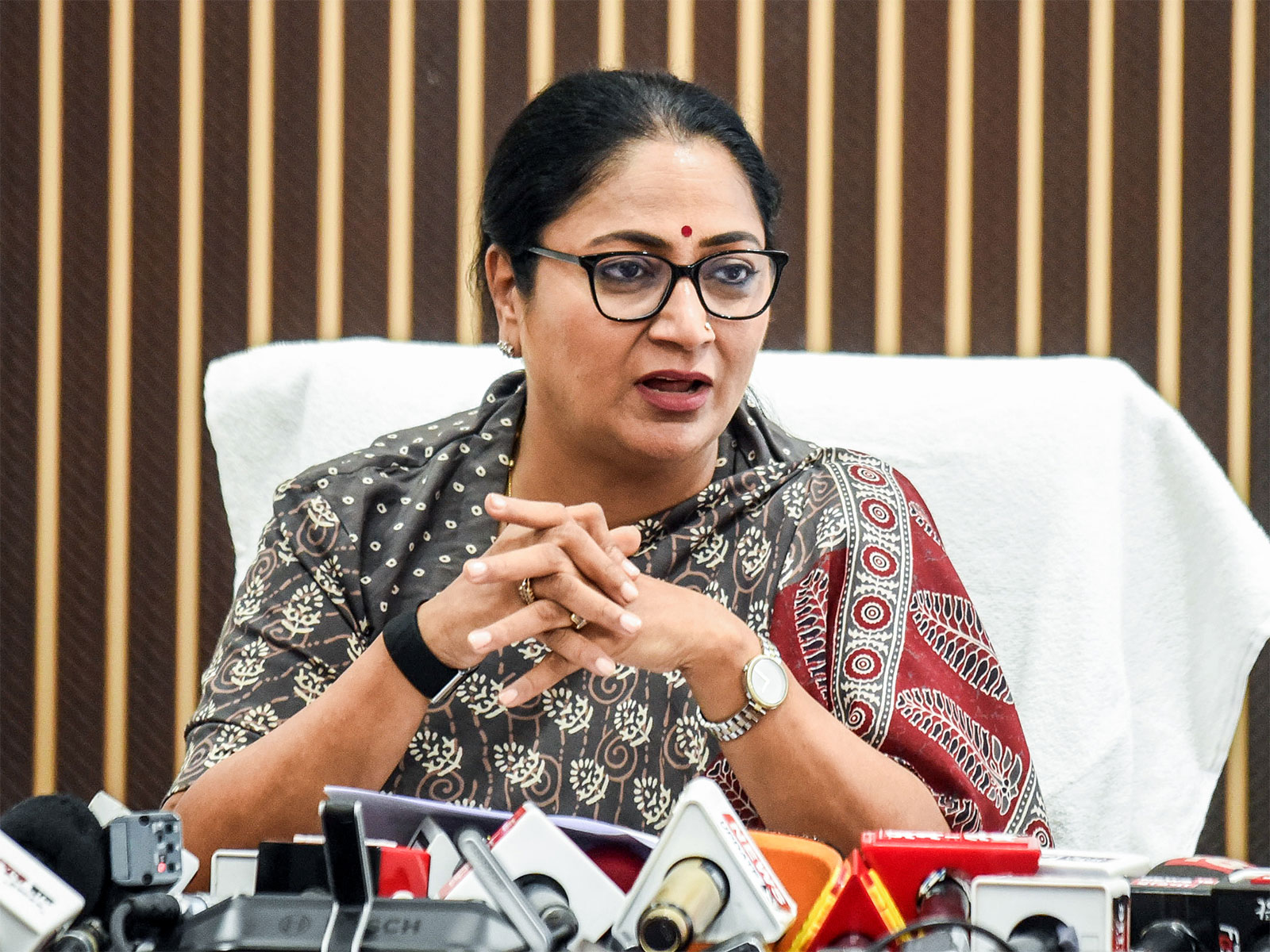
Chief Minister Rekha Gupta said on Monday that the initiative is being undertaken in collaboration with the Central Road Research Institute (CSIR-CRRI) and the School of Planning and Architecture (SPA), following the signing of a Memorandum of Agreement (MoA) between the institutions and the government.
The proposed system seeks to address persistent urban challenges, including increasing traffic congestion, air pollution and waterlogging, by replacing conventional road maintenance practices with a modern framework based on data collection, regular monitoring and prioritised intervention.
“Road maintenance will now move beyond traditional methods and be carried out through a scientific and data-driven system,” Gupta said. She added that the Road Asset Management System would create a digital inventory of roads across the city, enabling authorities to conduct periodic condition assessments and plan maintenance and repair works according to urgency and need.
According to the Chief Minister, the initiative will help improve the quality and lifespan of roads while ensuring more efficient utilisation of public resources. The digital platform will allow officials to track road conditions in real time and make informed decisions regarding repairs, upgrades and long-term infrastructure planning.
Under the agreement, CSIR-CRRI will provide technical expertise in road engineering, pavement technology, road safety and asset management. The School of Planning and Architecture will contribute specialised knowledge in urban design, streetscape planning, public space development, urban landscaping and green infrastructure.
The project also incorporates environmental and sustainability objectives. Gupta said scientific green belts would be developed along roadsides to enhance the urban landscape and reduce pollution levels. The government plans to promote the plantation of local plant species while adopting sustainable landscaping practices to create greener and cleaner public spaces.
In addition, rainwater harvesting systems and stormwater drainage networks will be strengthened as part of the broader road development strategy. The government believes these measures will not only improve environmental sustainability but also help address recurring waterlogging issues during the monsoon season.
Officials said that redesigning road slopes and upgrading stormwater drainage infrastructure would form a key component of the project. Improved drainage mechanisms are expected to facilitate quicker water runoff and minimise disruptions caused by heavy rainfall.
Public Works Department Minister Parvesh Sahib Singh described the agreement as a significant milestone in the government’s efforts to modernise Delhi’s transport infrastructure. He said the collaboration would help build a road network that is “modern, scientific and future-ready”, capable of meeting the demands of a rapidly growing city.
Environment Minister Manjinder Singh Sirsa highlighted the environmental benefits of the initiative, stating that the government is implementing large-scale measures to reduce dust pollution. These efforts include extensive plantation drives using locally suitable and environmentally sustainable tree species.
The Road Asset Management System forms part of the Delhi Government’s broader strategy to improve urban infrastructure, enhance road safety and create a more sustainable and resilient city. Officials expect the initiative to deliver long-term benefits by improving road quality, reducing maintenance costs and strengthening environmental management across the capital.