
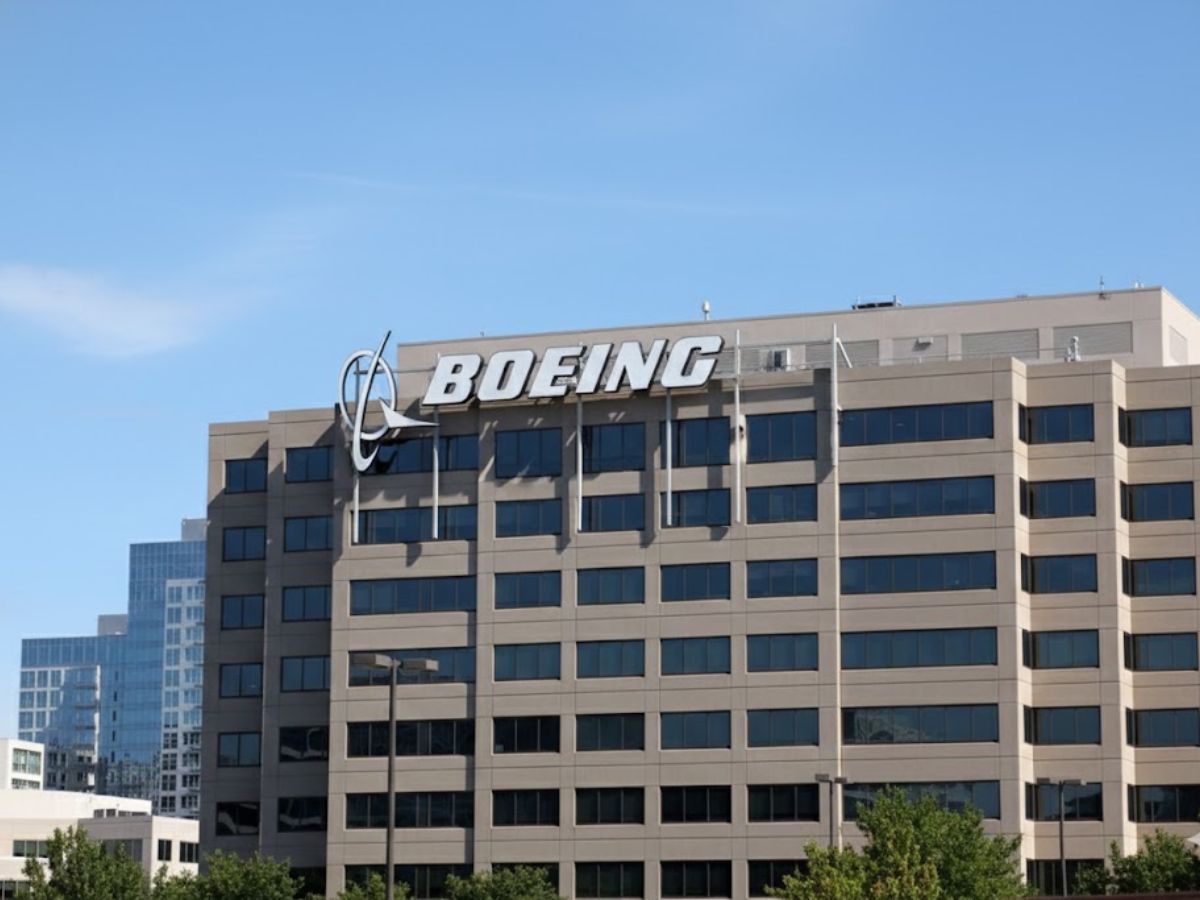
Boeing is poised to close its massive acquisition of troubled supplier Spirit AeroSystems by the end of December after receiving conditional approval from U.S. regulators. The Federal Trade Commission (FTC) has cleared the $4.7 billion deal, part of a larger $8.3 billion transaction, but mandated significant divestments to rival Airbus to preserve competition. The move aims to resolve a major source of production delays for both aerospace giants while restructuring the struggling supply chain.
What Did the FTC Approve and Require?
The FTC has cleared Boeing to buy Spirit AeroSystems, the world’s biggest aerostructures maker and once a part of Boeing before its 2005 split. But the approval includes tough rules to ensure Boeing doesn’t gain unfair power over its competitors’ supply chains.
Key requirements of the order include:
- Divestment to Airbus: Boeing and Spirit must complete the sale of Spirit facilities in Kinston, North Carolina, and Belfast, Northern Ireland, to European rival Airbus.
- Sale of Malaysia Plant: Spirit must finalize the sale of its Subang, Malaysia, operations, which supply components to both Airbus and Boeing, to Composites Technology Research Malaysia.
- Continued Supply to Competitors: Spirit must continue supplying Boeing’s competitors bidding on future U.S. military aircraft programs.
- Enhanced Oversight: The FTC and the Pentagon will each appoint a monitor to oversee the merger’s implementation and compliance.
Why Is This Merger Happening Now?
The main reason for the merger is Boeing’s urgent push to stabilize its struggling 737 MAX production and raise manufacturing quality. Spirit, which makes the 737 fuselage, has repeatedly caused delays and defects for both Boeing and Airbus programs such as the A350 and A220.
By reabsorbing Spirit, Boeing gains direct control over its most critical supplier. For Spirit, the deal provides a financial lifeline. The Belfast plant, for example, reported a $670 million loss in 2024 and had warned it needed emergency funding. As part of the transaction, Airbus will receive a $439 million payment from Boeing/Spirit to compensate for the financial losses it will inherit with the Belfast facility.
Also Read: Doctor Sentenced for Supplying Ketamine in Matthew Perry’s Overdose Death
What Are the Broader Impacts?
The FTC’s action makes sure Airbus can still use important production sites, stopping Boeing from dominating the supply of major aircraft parts. The agency said the required divestments prevent Boeing from “unfairly controlling Airbus’ supply chain and shutting out defense industry rivals.”
The deal effectively splits Spirit in two, with Boeing taking the majority of its operations and Airbus taking over plants that are crucial to its own supply chain. It represents a significant reshaping of the global aerospace manufacturing landscape, consolidating control of major airframe production back into the hands of the two dominant plane makers.
Your Questions Answered: Boeing-Spirit Merger FAQs
Q: When will the Boeing-Spirit merger officially close?
A: Both companies state they expect the transaction to be finalized by the end of December 2024.
Q: Why is Airbus involved in this deal?
A: The FTC’s decision makes that Airbus can still use critical production facilities, stopping Boeing from controlling the supply of major airplane parts. The agency said the needed divestments prevent Boeing from “unfairly influencing Airbus’ supply chain and cutting out defense industry rivals.”
Q: What does Boeing get out of this?
A: Direct control over the production of 737 fuselages and other key parts, allowing it to better manage quality and production speed after years of disruptive delays.
Q: What is the total value of the overall transaction?
A: The overall purchase is valued at around $8.3 billion. This covers the value of the parts that are being sold to Airbus and other parties, as well as Boeing’s $4.7 billion acquisition of the majority of Spirit.
Q: How did the stock market react?
A: Boeing’s shares dipped 3% on the news, possibly reflecting the cost and complexity of the acquisition. Spirit’s shares increased 3.5%, as the merger guarantees a clear outcome for the financially troubled corporation.
Also Read: Top 10 Things Russia Import from India? From Pharmaceuticals, Machinery, to Food Items