
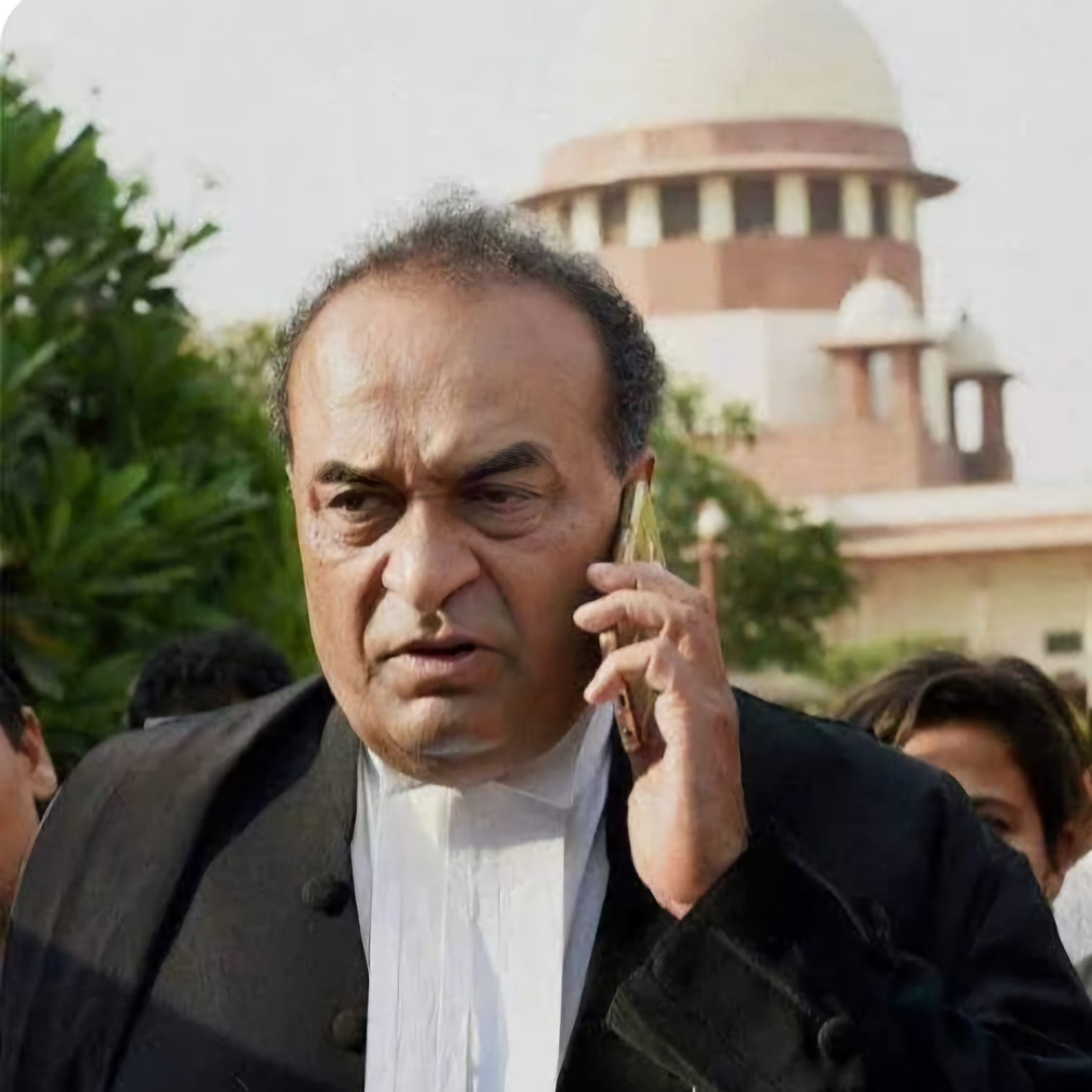
New Delhi: Concerns over potential bias against Indian parties in international arbitration cannot be ignored, and India must establish a credible domestic arbitration institution capable of competing with leading global centres such as the Singapore International Arbitration Centre (SIAC), former Attorney General of India and senior advocate Mukul Rohatgi has said.
Rohatgi also called for greater representation of Indian lawyers and jurists on international arbitral tribunals, particularly in disputes involving Indian companies.
Speaking on the NewsX legal programme Legally Speaking, Rohatgi described the relatively limited appointment of Indian lawyers as arbitrators in such cases as merely the “tip of the iceberg”.
“Why should we outsource our arbitration to SIAC? We should build a credible institution in India so that disputes involving Indian parties can be administered and heard here,” he said.
His remarks reinforce concerns previously expressed by several senior members of India’s legal fraternity, who have advocated the establishment of a globally respected Indian arbitration institution.
Responding to reports highlighting the disparity between the number of SIAC cases involving Indian parties and the tribunal appointments secured by Indian lawyers, Rohatgi said Indian representation should be commensurate with the contribution of Indian parties to the caseload of international arbitral institutions.
Drawing on his experience in arbitration-related disputes, Rohatgi also questioned the composition of tribunals hearing cases involving Indian companies. He said such tribunals frequently comprised one Indian and two foreign arbitrators, while the reverse composition was rarely seen.
“I have often had an uncomfortable feeling of bias in international arbitrations where one party is Indian,” Rohatgi said, adding that stronger institutional safeguards were required to ensure greater balance and confidence in the arbitral process.
He suggested that retired Supreme Court judges and other experienced Indian jurists should be considered for appointment as presiding arbitrators instead of such positions being routinely assigned to foreign arbitrators.
Rohatgi also raised questions about the basis of the damages reportedly awarded in the Tata Power–Kleros arbitration, while clarifying that his observations were based on information available in the public domain.
He said the reported award of around $500 million, stated to be approximately ₹6,500 crore, appeared to have been based on a “loss of chance” claim even though the proposed project did not materialise and Tata Power did not earn any profit from the opportunity.
According to Rohatgi, the Indian member of the tribunal had reportedly assessed damages at around $13 million, while the tribunal’s majority, comprising two foreign arbitrators, awarded a substantially higher amount.
He further flagged concerns over the alleged non-disclosure of potential conflicts involving members of the tribunal. Previous professional relationships involving an arbitrator, a disputing party, its funder or its legal representatives could be relevant when assessing the appearance of independence and impartiality, he said.
“The issue is not merely whether actual bias can be proved; relevant relationships must be disclosed so that the parties can take an informed decision,” Rohatgi said.
His comments add to the growing debate over India’s reliance on overseas arbitration centres and the need to create an independent, transparent and internationally trusted domestic institution capable of administering complex commercial disputes while ensuring equitable opportunities for Indian arbitrators.